
Bumper Stickers for Cars: The Complete Guide for Australian Businesses and Organisations
Discover how bumper stickers for cars can boost brand visibility, promote events, and engage communities across Australia. Practical tips inside.

Written by
Rani Gupta
Branding & Customisation
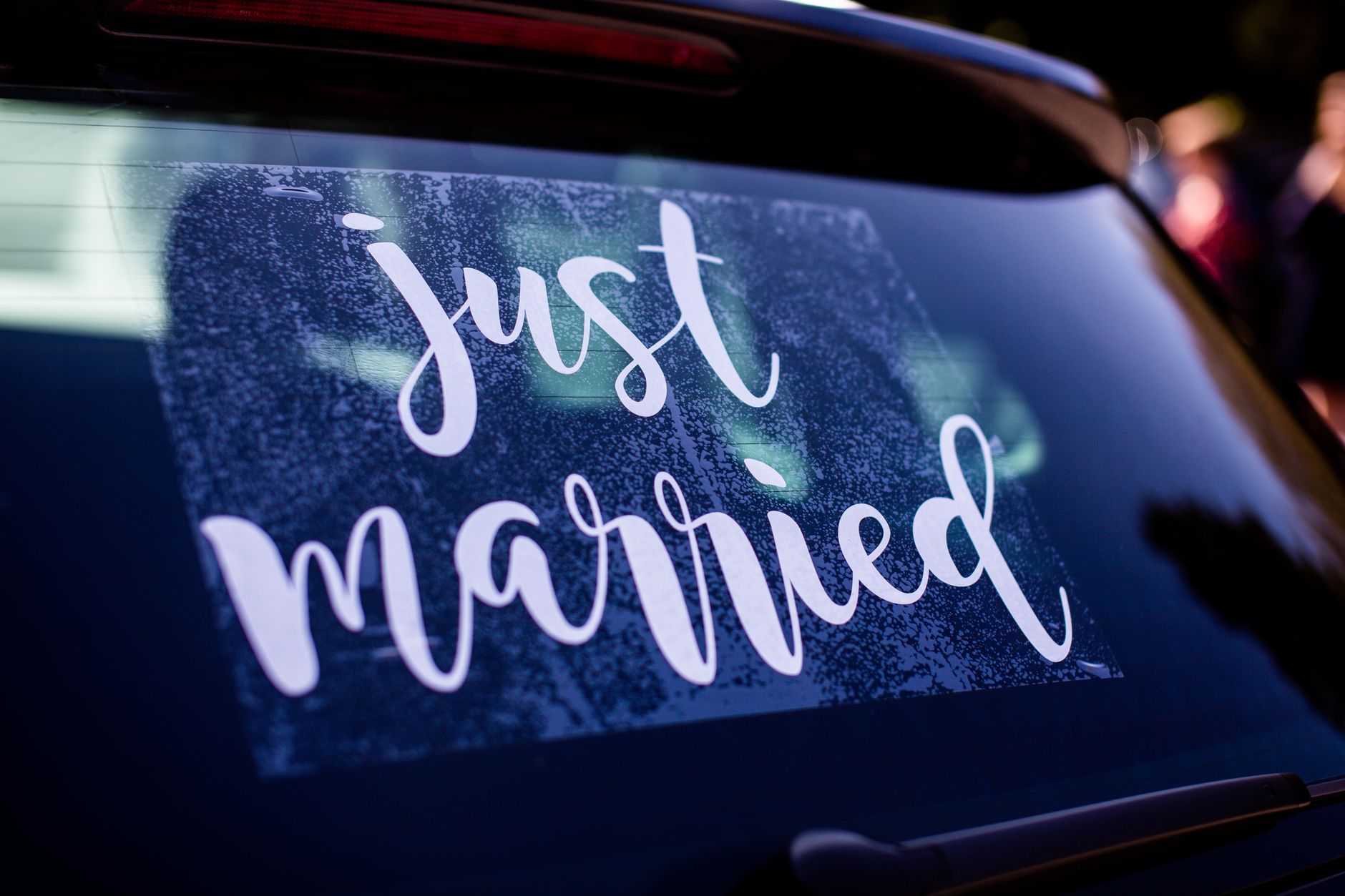
Few promotional products are as deceptively simple — or as surprisingly powerful — as the humble bumper sticker. Slap one on the back of a car, and suddenly your brand, cause, or message is travelling through every suburb, carpark, and school drop-off zone in the country. For Australian businesses and organisations looking to maximise visibility without breaking the budget, bumper stickers for cars offer a cost-effective, high-exposure marketing tool that works around the clock without any ongoing effort from the recipient.
Whether you’re a small Brisbane business wanting to build local brand awareness, a charity running a national awareness campaign, or a school community gearing up for a fundraiser, custom bumper stickers are worth serious consideration. This guide covers everything you need to know — from materials and print methods to design tips, distribution strategies, and budget planning.
Why Bumper Stickers for Cars Still Work in 2026
In a world dominated by digital marketing, it’s easy to dismiss print-based promotional products as outdated. But bumper stickers occupy a unique space that digital channels simply can’t replicate: physical, real-world visibility in high-traffic environments.
Consider this. A single car travelling through an Australian city during peak hour can be seen by hundreds — even thousands — of people in a single commute. A well-designed sticker on a rear windscreen or bumper bar becomes a rolling billboard that generates impressions 24 hours a day, seven days a week, for months or even years.
Research consistently shows that promotional products deliver stronger brand recall than digital advertising. Tangible items create emotional connections, and bumper stickers take this one step further by turning your customers, supporters, or community members into active brand ambassadors. When someone chooses to display your sticker on their vehicle, they’re signalling a genuine affinity with your brand — and that authenticity is marketing gold.
Understanding how promotional products influence consumer behaviour in Australia helps explain why physical items like bumper stickers continue to deliver measurable results, even in an era of digital-first marketing.
Types of Bumper Stickers: What to Choose for Your Campaign
Not all bumper stickers are created equal. The right format depends on your application, surface, and how long you want the sticker to last.
Vinyl Bumper Stickers
Vinyl is the gold standard for outdoor, vehicle-grade sticker applications. High-quality vinyl stickers are UV-resistant, waterproof, and can last three to five years on a vehicle without fading or peeling. They’re suitable for bonnet applications, bumper bars, rear windscreens, and side panels.
For Australian conditions — where UV exposure, heat, and summer storms are significant factors — vinyl is almost always the recommended choice. A Perth business handing out bumper stickers in the summer heat needs a material that can handle extreme temperatures without bubbling or lifting.
Static Cling Stickers
Static cling stickers attach to glass surfaces without adhesive, making them easy to apply, reposition, and remove. They’re a popular choice for rear windscreen promotions, particularly for organisations that want recipients to display them temporarily — during a campaign period, for an event, or for a sports season.
Because they don’t leave residue, static cling stickers are often better received by recipients who might hesitate to permanently modify their vehicle. This makes them ideal for short-term campaigns and event promotions.
Die-Cut Stickers
Die-cut stickers are trimmed to the exact shape of the design rather than being cut into a standard rectangle or oval. Custom shapes — a logo outline, a mascot silhouette, a product shape — create a far more premium, eye-catching result. Die-cut stickers tend to feel more considered and are more likely to be displayed proudly on a vehicle, laptop, or water bottle.
If you’re running a premium brand activation or want your sticker to stand out in a sea of rectangular labels, die-cut is worth the additional investment.
Clear Bumper Stickers
Printed on transparent vinyl, clear stickers work particularly well on rear windscreens where you want the design to appear as though it’s part of the glass. They’re a sleek, modern option for brands with simple, bold logos or text.
Design Tips for Maximum Impact
The best bumper sticker designs follow a simple principle: they must be legible and recognisable at a distance, in a split second, by someone travelling at speed. That means bold typography, high contrast colour combinations, and a clear, singular message.
Keep It Simple
Resist the urge to cram too much information onto a small surface. Your brand name or logo, a short tagline, and perhaps a website URL is typically more than enough. If someone can’t read your sticker in two seconds while stopped at traffic lights, the design needs simplifying.
Prioritise Contrast
Light text on a dark background, or dark text on a light background, will always be more legible than low-contrast combinations. Avoid mid-tones and subtle colour variations that look great on screen but disappear at distance.
Include a Call to Action (If Space Allows)
A website URL, a hashtag, or a short phrase like “Visit us in Darwin” can turn a passive brand impression into an active next step. Keep it brief and memorable.
Work With Your Brand Guidelines
PMS colour matching ensures your sticker colours align precisely with your brand identity, which is important for corporate and professional applications. Provide your artwork in vector format (AI, EPS, or PDF) to ensure clean, sharp print results regardless of the final sticker size.
Practical Ordering Considerations
Minimum Order Quantities
Bumper sticker MOQs vary depending on the supplier and the complexity of your design. As a general guide, most print runs start at 100 to 250 units, though digital print options can sometimes accommodate smaller quantities. The more you order, the more dramatically the per-unit cost drops — bulk orders of 1,000 or more can reduce your cost per sticker to just cents per unit.
If your organisation is exploring a range of promotional items for the same campaign, consider pairing bumper stickers with complementary products. For example, a community event might bundle stickers with custom tote bags or branded notepads from your promotional notebooks range for a more complete take-home pack.
Turnaround Times
Standard production turnaround for custom bumper stickers is typically five to fifteen business days after artwork approval, depending on the quantity and complexity. Rush options are often available at additional cost. If you’re ordering for a specific event, conference, or campaign launch date, always build in a buffer and order at least three to four weeks ahead.
Setup Fees and Artwork
Most suppliers charge a one-time setup or origination fee to prepare your artwork for print. This covers colour separation, plate or screen creation, and proofing. Always request a digital proof before approving production — this confirms colour accuracy, text legibility, and sizing before anything is committed to print.
Who Should Be Using Custom Bumper Stickers?
The range of Australian organisations that can benefit from bumper sticker campaigns is genuinely broad.
Automotive and Trade Businesses: Auto service centres, mechanics, and detailers can create sticker packs that double as reminder tools and brand reinforcement. Paired with products like promotional parking disc holders, a branded sticker kit makes a practical and memorable customer gift.
Schools and Sporting Clubs: A Gold Coast primary school running a fundraiser or a community football club in Adelaide wanting to build supporter visibility will both find bumper stickers an affordable and engaging option. School bumper stickers are particularly popular with proud parents.
Charities and Not-for-Profits: Awareness campaigns benefit enormously from sticker distribution. A charity running a campaign in Melbourne can amplify their message by distributing stickers at events, through partner organisations, or via direct mail campaigns.
Retail and Hospitality Brands: Cafés, breweries, surf shops, and boutique retailers in coastal cities like Byron Bay and Noosa have long embraced bumper stickers as part of their brand culture. They’re the kind of product a loyal customer will happily display — and that turns into genuine word-of-mouth at scale.
Event and Conference Organisers: For large-scale events, bumper stickers can be included in delegate bags alongside other branded items. If you’re planning a full event merchandise suite, explore complementary products like pull-up banners for signage, trucker caps for branded headwear, and slim-fit t-shirts for staff uniforms.
Corporate Campaigns: Businesses running vehicle fleets can use bumper stickers to brand their cars, vans, and trucks cohesively. For broader corporate gifting strategies, it’s worth reading about building a promotional products business strategy to understand how stickers fit into a larger branded merchandise ecosystem.
Budgeting Your Bumper Sticker Campaign
Bumper stickers are one of the most budget-friendly promotional products available. At scale, you can typically expect to spend between $0.30 and $1.50 per unit depending on size, material, finish, and quantity. Premium options like die-cut shapes, special finishes (matte, gloss, or metallic), or clear vinyl will sit at the higher end of that range.
For organisations working with tighter budgets — schools, charities, or small businesses — it’s worth comparing the cost per impression of bumper stickers against other promotional formats. Given the multi-year lifespan of a vinyl sticker on a vehicle, the cost-per-impression calculation is exceptionally favourable.
If your promotional budget extends beyond stickers, consider complementary items that reinforce the same brand message. Reusable coffee cups and branded summer gifts for customers are popular companion products for consumer-facing campaigns.
Working With a Reputable Promotional Products Supplier
Sourcing your bumper stickers through a reputable Australian promotional products company ensures you receive quality materials, accurate colour reproduction, and reliable turnaround times. Look for suppliers who offer physical samples, digital proofs, and clear communication around production schedules.
An experienced supplier will also guide you on the most appropriate material, finish, and application type for your specific use case — whether you’re distributing stickers at a Canberra conference, posting them to supporters across New South Wales, or handing them out at a Hobart community event.
For organisations across regional Australia, including emerging business communities like those in the Barossa Valley, working with suppliers who understand local conditions and can offer practical advice is invaluable.
Conclusion: Key Takeaways for Ordering Bumper Stickers for Cars
Bumper stickers for cars remain one of the most underrated promotional tools in the Australian market. When designed well and distributed strategically, they deliver exceptional brand visibility at a genuinely affordable price point.
Here are the key things to remember:
- Choose the right material for the job — vinyl for permanent outdoor applications, static cling for temporary or windscreen-specific use, and die-cut for premium, shape-specific designs.
- Keep designs bold and legible — high contrast, minimal text, and a single clear message will outperform cluttered, busy artwork every time.
- Order in bulk to reduce costs — per-unit pricing drops significantly at higher quantities, making bumper stickers one of the most cost-efficient promotional products available.
- Plan your timeline — allow at least three to four weeks from artwork submission to delivery, especially for larger quantities or events with fixed dates.
- Pair with complementary products — bumper stickers work best as part of a broader branded merchandise strategy, paired with items that reinforce your campaign message and extend your reach.
Whether you’re running a community campaign in suburban Melbourne, promoting a new café in Brisbane, or building brand recognition for a growing business anywhere across Australia, custom bumper stickers are a smart, affordable, and genuinely effective addition to your promotional toolkit.