
Corporate Gifting Market Trends in Australia: What to Expect in 2026
Explore the biggest corporate gifting market trends shaping Australia in 2026 — from eco products to personalisation and wellness gifts.

Written by
Aisha Kone
Industry Trends & Stats
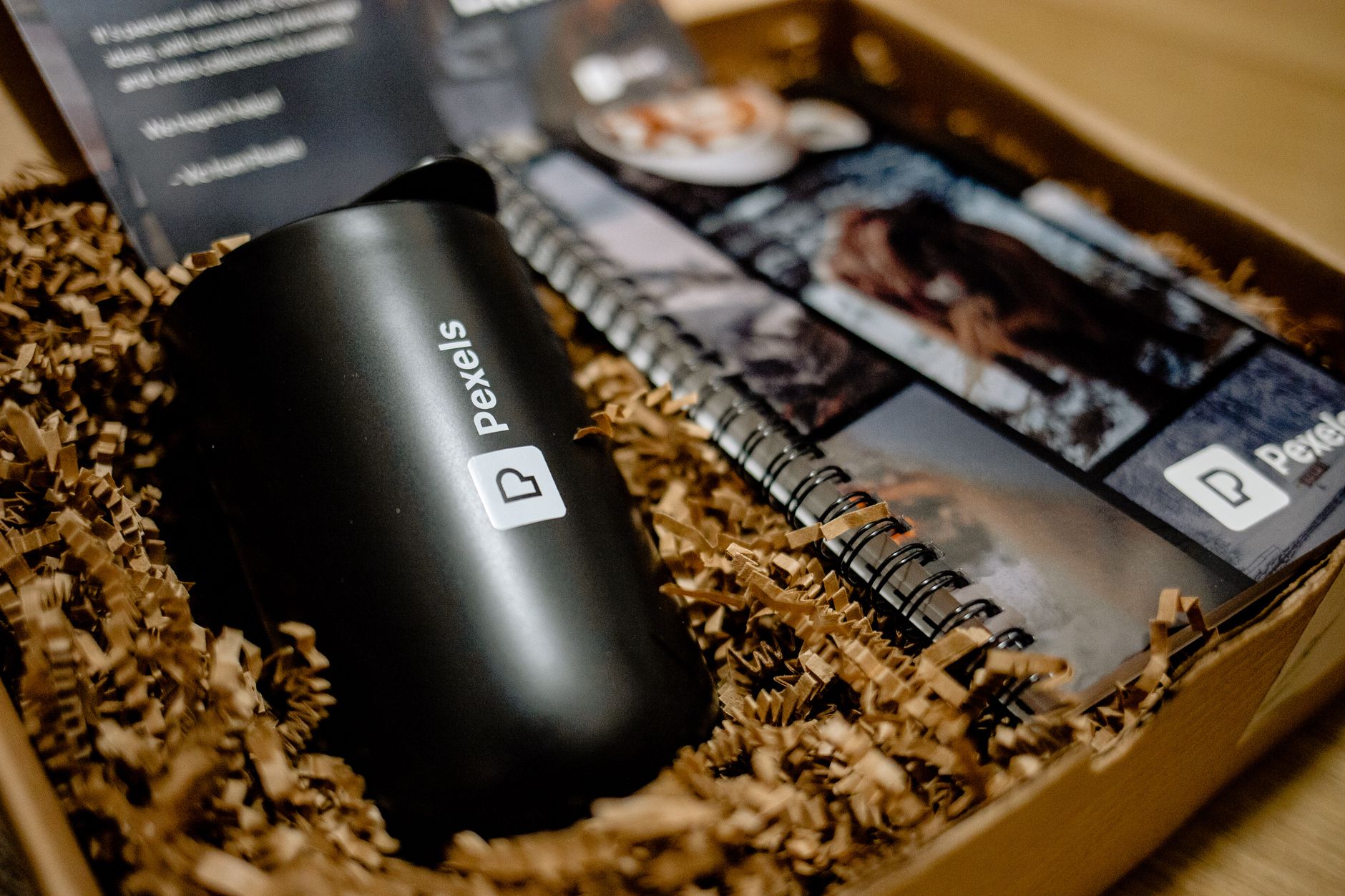
Corporate gifting in Australia has never been more strategic — or more competitive. What was once a box of chocolates and a handwritten card has evolved into a carefully considered touchpoint that communicates brand values, builds loyalty, and strengthens business relationships. As we move through 2026, the corporate gifting market in Australia is experiencing a significant shift, driven by changing workplace cultures, rising sustainability expectations, and a growing appetite for personalised, meaningful experiences. Whether you’re a Sydney-based HR manager planning an end-of-year recognition programme, a Brisbane events team sourcing conference welcome packs, or a Melbourne business development manager nurturing key client relationships, understanding where the market is heading can help you make smarter, more impactful gifting decisions.
The State of the Corporate Gifting Market in Australia
Australia’s corporate gifting sector has matured considerably over the past few years. Businesses are no longer just looking for something to hand out at a trade show or leave on a desk — they want gifts that reflect thought, purpose, and brand alignment.
Several macro-trends are shaping this evolution:
- Hybrid and remote workforces have changed the delivery model entirely. Gifts now need to work in home office settings just as well as traditional corporate environments.
- Rising cost-consciousness means procurement managers are scrutinising value per item more carefully, balancing quality against budget across larger or tiered recipient lists.
- ESG commitments (Environmental, Social, and Governance) are pushing organisations to make ethical sourcing decisions even in their gifting programmes.
- Employee wellbeing has moved front and centre, influencing the types of products considered appropriate for staff recognition.
Understanding these forces isn’t just interesting — it’s practically useful when briefing a merchandise supplier, selecting product categories, or planning your gifting budget for the year ahead.
Sustainability Is No Longer Optional
Perhaps the most defining shift in the Australian corporate gifting market trends right now is the move away from throwaway promotional items toward genuinely useful, eco-conscious products. Recipients are increasingly savvy about plastic waste, and organisations face reputational risks when their branded gifts don’t align with their sustainability messaging.
Eco-friendly gifting now encompasses a broad range of product categories. Recycled materials, bamboo, cork, organic cotton, and biodegradable packaging have all become mainstream expectations rather than premium add-ons. For outdoor and adventure brands in particular, garments made from sustainable fibres are particularly resonant — recycled PET branded jackets for outdoor eco brands represent a prime example of how merchandise can genuinely walk the talk on environmental values.
Similarly, reusable drinkware has become one of the most consistently popular categories in corporate gifting. A well-made reusable coffee cup remains one of the highest-perceived-value items you can give a client or employee — practical, daily-use, and aligned with sustainability goals.
Practical Tip: Matching Products to Your ESG Goals
If your organisation publishes a sustainability report or has public carbon reduction targets, your gifting choices should be consistent with that messaging. Consider requesting FSC-certified packaging from your supplier, asking about recycled content in product materials, or switching to plantable seed paper cards instead of standard printed inserts.
Personalisation and Meaningful Gifting Are Driving Higher Perceived Value
Generic gifting is losing ground fast. Australian businesses are increasingly investing in personalised gifting — moving beyond a logo slap and considering the full recipient experience. This doesn’t always mean a higher per-unit cost; it means being more thoughtful about product selection, presentation, and relevance.
Personalisation can take many forms in the branded merchandise space:
- Variable data printing — adding individual names or custom messages to products like notebooks, pens, or packaging
- Curated gift sets — bundling complementary products that tell a cohesive brand story
- Occasion-specific gifting — selecting products that reflect the specific moment (onboarding, anniversary, project milestone)
For example, a Perth professional services firm onboarding a new batch of graduates might build a welcome kit featuring a branded notebook, a quality pen, and a keep cup — each personalised with the recipient’s name. That level of thoughtfulness goes a long way in establishing culture and belonging from day one.
If you’re thinking about gifting for home occasions or lifestyle-focused promotions, branded aprons for housewarming gift promotions are a creative and memorable option that breaks the mould of standard corporate fare.
The Rise of Wellness-Focused Corporate Gifts
Workplace wellbeing is one of the most significant cultural shifts in Australian business, and it’s reshaping what’s considered an appropriate and impactful gift. Stress management, mindfulness, physical health, and mental wellbeing are all themes that progressive organisations are now weaving into their gifting strategy.
This shows up in practical ways. Wellness journals, fitness accessories, aromatherapy products, and healthy snack packs have all entered the corporate gifting mainstream. A Brisbane-based financial services company running an employee wellness programme might choose branded wellness journals for corporate wellness programs as part of a broader health initiative — reinforcing the company’s commitment to staff wellbeing while keeping the brand visible in a daily-use format.
The key here is authenticity. Gifting a wellness product while not investing in actual workplace wellbeing initiatives can feel hollow. But when the gift is part of a genuine programme or cultural investment, it resonates deeply.
Seasonal Gifting Is Getting More Strategic
End-of-year gifting remains the most active period in the Australian corporate gifting calendar, but businesses are increasingly spreading their gifting activity across multiple touchpoints throughout the year. Welcome gifts for new clients, mid-year staff appreciation packs, trade show giveaways, and conference welcome kits are all growing segments.
Summer gifting is particularly strong in Australia’s climate, and products that align with the warmer months — outdoor gear, drinkware, beach accessories, and casual apparel — perform exceptionally well. Explore the range of ideas in our guide to summer branded gifts for customers for inspiration on seasonal campaign planning.
Trade show and conference gifting also deserves its own strategic lens. Delegates receive dozens of items at major events, so standing out requires quality and relevance. A well-branded custom coffee product for trade show giveaways can create an instant sensory connection and is far more memorable than another generic pen or stress ball.
For event planners working with awards ceremonies or academic recognition events, thoughtful additions like personalised ribbons for academic excellence awards add a polished, ceremonial dimension that elevates the entire experience.
Emerging Niche Categories Worth Watching
Beyond the mainstream categories, several niche product areas are gaining traction in the Australian corporate gifting market trends landscape.
Headwear and Lifestyle Accessories
Quality branded headwear has moved firmly into lifestyle territory. Items like trucker hats and trucker cap hats are no longer just workwear or outdoor wear — they’ve become sought-after casual lifestyle items, particularly for brands with a younger demographic or active outdoor positioning. When the product is genuinely desirable, the branding gets worn voluntarily, extending reach far beyond the original recipient.
Industry-Specific Gifting
Niche industries are discovering the power of highly targeted gifting that speaks directly to their customers’ daily lives. Auto service centres using promotional parking disc holders as customer appreciation items, pet grooming businesses gifting promotional pet leads to loyal clients, and tourism operators along the Great Ocean Road sourcing custom branded merchandise for visitors — these are all examples of gifting that is hyper-relevant and immediately useful.
Experience-Adjacent Gifting
There’s also growing interest in gifts that complement or extend an experience — a branded tote bag to take home from an event, a quality keep cup after a corporate wellness retreat, or a curated hamper tied to a regional flavour or destination theme. This trend blurs the line between gifting and experience design, which is ultimately good news for brand recall.
Budgeting and Buying Considerations for 2026
With inflation and supply chain awareness still influencing procurement decisions, Australian businesses are becoming more deliberate about how they allocate gifting budgets. A few practical considerations:
- Tiered gifting structures are common in larger organisations — distinguishing between VIP clients, regular clients, and general contacts with different budget thresholds per tier
- MOQs (minimum order quantities) vary significantly by product and supplier — plan early if you need small runs of premium items
- Lead times matter — quality products with embroidery, laser engraving, or full-colour sublimation printing typically require 10–15 business days; factor this in especially for end-of-year campaigns
- Consolidating orders across departments or business units can unlock better bulk pricing tiers
- Presentation matters — investing in quality packaging (custom boxes, tissue paper, ribbon) can significantly elevate a mid-range product
Conclusion: Key Takeaways on Corporate Gifting Market Trends in Australia
The Australian corporate gifting market in 2026 is defined by intention, alignment, and authenticity. Gone are the days when a logo on any object was enough — today’s recipients expect gifts that feel considered, useful, and values-consistent. As you plan your upcoming gifting campaigns, keep these key insights in mind:
- Sustainability is now a baseline expectation, not a premium option — eco-conscious materials, reusable products, and responsible packaging are the new standard
- Personalisation drives perceived value — even simple customisations like names or occasion-specific messaging can transform a functional product into a memorable gift
- Wellness and lifestyle products are growing categories — aligning gifts with employee and client wellbeing creates deeper, more genuine connections
- Niche and industry-specific gifting is gaining momentum — the more relevant the product to the recipient’s daily life, the stronger the brand recall
- Strategic planning and early ordering remain the most reliable ways to stay on budget, meet lead times, and access the best product options
By staying informed on corporate gifting market trends in Australia, your organisation can turn every gifting touchpoint into a genuine brand-building opportunity — one that recipients actually appreciate and remember.