
How to Personalise a Mug: The Complete Guide for Australian Organisations
Learn how to personalise a mug for your business, event, or organisation. Decoration methods, MOQs, budgeting tips & more for Australian buyers.

Written by
Brodie Watts
Drinkware
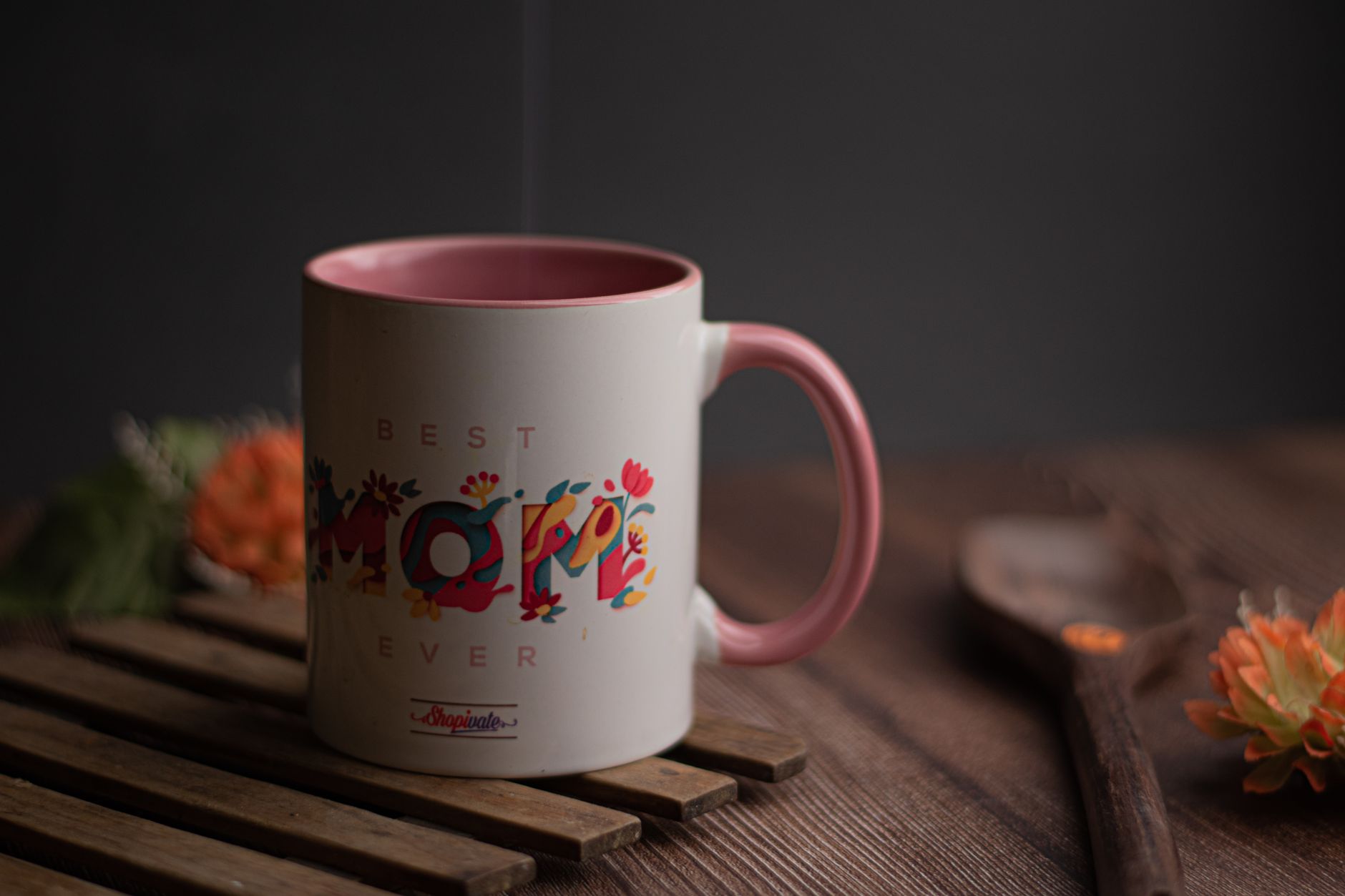
There are few branded items that enjoy as much daily face time as a custom mug. Whether it’s sitting on a desk in a Sydney co-working space, warming hands at a Brisbane school staff room, or taking pride of place at a Perth conference registration table, a personalised mug is one of the most cost-effective and consistently useful promotional products available. But if you’ve never ordered custom mugs before — or you’re looking to do it smarter this time around — knowing how to properly personalise a mug can mean the difference between a forgettable giveaway and a genuinely cherished keepsake.
This guide covers everything Australian businesses, organisations, and event planners need to know: from choosing the right mug style and decoration method, to artwork preparation, MOQs, turnaround times, and getting the best value from your investment.
Why Personalised Mugs Work So Well as Branded Merchandise
Before diving into the how, it’s worth understanding the why. Promotional products research consistently shows that useful, everyday items generate far greater brand recall than novelty giveaways that end up in a drawer. A personalised mug is used daily — often multiple times — which means your logo, message, or artwork gets repeated impressions without any additional spend.
According to insights explored in our overview of promotional products and consumer behaviour in Australia, recipients are far more likely to keep and use items they find practical. Mugs score exceptionally well on this measure. They’re relevant across virtually every sector: corporate offices, schools, healthcare settings, sporting clubs, charities, government departments, and events of all sizes.
Beyond brand visibility, personalised mugs carry a certain warmth — they feel personal. That’s exactly why they’re such a popular choice for staff recognition gifts, client thank-you packages, event merchandise, and charity fundraisers.
Choosing the Right Mug for Your Needs
Not all mugs are equal, and the style you choose will have a direct impact on which decoration methods are available to you, how the finished product looks, and how much you’ll spend per unit.
Ceramic Mugs
The classic ceramic mug is the most widely used base for personalised merchandise. They’re affordable, widely available in bulk, and compatible with several decoration methods. Ceramic mugs come in a range of sizes — typically 250ml to 400ml — and are available in white, black, and a spectrum of colours. A white ceramic mug is often the best canvas for full-colour artwork, while a coloured mug can create a bold, striking look when combined with a simple logo or text.
Travel Mugs and Keep Cups
Reusable travel mugs and keep cups have grown enormously in popularity as organisations look for eco-conscious alternatives to disposable cups. They’re particularly popular with universities, councils, and corporate businesses. If you’re considering this style, our detailed guide on personalised reusable coffee cups covers the options in depth, including material choices and decoration suitability.
Enamel and Stainless Steel Mugs
Enamel mugs deliver a retro, outdoorsy aesthetic that suits brands in tourism, hospitality, outdoor education, and events. Stainless steel mugs — often double-walled — offer excellent heat retention and feel premium in the hand. Both styles command a slightly higher price point but tend to be kept for longer, which increases their long-term promotional value.
Two-Tone and Colour-Change Mugs
Colour-change mugs (which reveal a hidden image or message when hot liquid is added) and two-tone designs are popular for novelty gifts, school fundraisers, and event merchandise. They create a moment of delight for the recipient — ideal when you want your branded merchandise to be memorable and shareable.
How to Personalise a Mug: Decoration Methods Explained
This is where most buyers get tripped up. The decoration method you choose will affect the quality, durability, and cost of your finished mugs — so it’s worth taking a few minutes to understand your options.
Sublimation Printing
Sublimation is arguably the most popular method for personalising ceramic mugs in Australia. The process uses heat and pressure to infuse dye directly into a specially coated mug surface, producing vibrant, photographic-quality prints that wrap around the entire mug. Sublimation is ideal when your artwork involves gradients, photographs, or full-colour designs. It’s also extremely durable — the print won’t peel or fade with regular washing.
The key limitation is that sublimation requires a white or very light-coloured base (the process doesn’t work well on dark mugs without a white coating underneath), so keep this in mind when selecting your mug.
Pad Printing
Pad printing transfers ink from an etched plate onto the mug surface via a silicone pad. It’s well-suited to simple one- or two-colour logos and text, and is one of the most economical decoration methods for large runs. If you’re based in Western Australia and want to learn more about this technique, our guide to pad printing services for promotional products in Perth is a great starting point.
Laser Engraving
Laser engraving is an excellent option for stainless steel and enamel mugs, and is increasingly popular for premium ceramic drinkware. The process burns away the surface coating to reveal the material underneath, creating a clean, tactile finish that looks sophisticated and lasts indefinitely. It’s particularly well-suited to corporate gifts, executive presentations, and awards. Explore the possibilities in our laser engraving guide for more detail on this method.
Digital Printing
Digital printing is similar in output to sublimation but uses a different application process. It’s suitable for full-colour artwork and can handle complex designs with ease. Digital printing tends to be slightly more flexible in terms of mug colour compatibility, making it a good option when sublimation won’t work for your chosen product.
Artwork Preparation: Getting Your Files Ready
Poor artwork is one of the most common causes of delays and disappointment when ordering personalised mugs. Here’s what you need to know before submitting your files.
- Vector files are preferred. EPS, AI, or PDF formats with outlined fonts are ideal. Vector artwork scales to any size without losing quality.
- High-resolution rasters are acceptable. If you’re submitting a JPG or PNG (common for photographic designs), ensure the file is at least 300dpi at the intended print size.
- PMS colour matching. If brand colour accuracy is critical — particularly for corporate logos — specify your Pantone (PMS) colours in your brief. This ensures consistency across your full order.
- Bleed and safe zones. For full-wrap designs, ask your supplier for a template so your artwork is positioned correctly before production begins.
- Font licensing. Outline all fonts in vector files to avoid font substitution issues.
If you work with a reputable promotional products company in Australia, their artwork team will typically provide a digital proof before production, giving you a chance to approve the design before any mugs are printed.
MOQs, Turnaround Times, and Budgeting
Minimum Order Quantities
Most suppliers have a minimum order quantity (MOQ) for personalised mugs. For standard ceramic mugs with pad printing or sublimation, MOQs typically start at 25–50 units. Premium products like double-walled stainless steel mugs may have MOQs of 50–100 units. Some suppliers offer lower MOQs for digital printing methods, which suits smaller teams and boutique events.
Turnaround Times
Standard production for personalised mugs is generally 7–15 business days after artwork approval, depending on the supplier and order complexity. Rush orders may be available for an additional fee but it’s always safer to plan ahead, particularly for events or seasonal campaigns — our summer branded gifts guide has useful advice on planning timelines for warm-weather campaigns.
Budgeting Guidance
Personalised ceramic mugs typically range from $4–$12 per unit depending on quantity, decoration method, and mug quality. Premium stainless steel or travel mugs generally fall in the $12–$30 range. As with most branded merchandise, unit costs reduce significantly as volume increases, so if you’re planning a large corporate order or conference giveaway, it’s worth requesting tiered pricing across different quantity breaks.
Practical Scenarios: Who Orders Personalised Mugs and Why
Understanding how other organisations approach mug customisation can help inform your own brief.
Corporate offices: A Melbourne-based financial services firm might order 200 branded ceramic mugs for their Sydney and Brisbane offices — useful for client-facing meeting rooms and as part of new employee welcome packs.
Schools and universities: A Hobart primary school fundraiser might order colour-change mugs featuring student artwork for parents to purchase. Similarly, a Canberra university might order sublimated travel mugs for their orientation week merchandise pack.
Events and conferences: An Adelaide industry conference might personalise mugs with the event name and year for delegate gift bags — a practical keepsake that attendees will actually use.
Charities and not-for-profits: A Darwin-based charity might pair personalised mugs with personalised drink coasters as part of a donor appreciation gift set.
Hospitality and tourism: A Gold Coast resort or winery in the Barossa Valley might stock branded mugs in their retail space as a revenue-generating souvenir item.
Pairing Mugs With Complementary Branded Products
Personalised mugs work even better when bundled with other thoughtful branded items. Consider pairing them with:
- Personalised drink coasters for a cohesive desk gift set
- Branded notebooks or pens — browse our guide to top-rated promotional pens in Melbourne for inspiration
- Eco-friendly packaging if sustainability is important to your brand — our piece on ocean plastic recycled corporate gifts explores sustainable options worth considering alongside drinkware
Bundling products into a curated gift set increases perceived value and makes your branded merchandise feel intentional rather than generic.
Conclusion: Key Takeaways for Personalising a Mug in Australia
Knowing how to personalise a mug effectively — from product selection through to artwork preparation and supplier briefing — helps ensure your investment delivers real results. Whether you’re ordering for a corporate event, a school fundraiser, a staff recognition programme, or a retail shelf, the principles remain the same: choose the right mug for your context, select a decoration method that suits your artwork and budget, prepare your files correctly, and plan your timeline with buffer to spare.
Here are the key takeaways to keep in mind:
- Match the mug style to your audience and use case — ceramic for everyday office use, stainless steel for premium gifting, travel mugs for eco-conscious organisations.
- Choose your decoration method wisely — sublimation for full-colour artwork, pad printing for simple logos at scale, laser engraving for premium or long-lasting finishes.
- Prepare artwork in vector format where possible and always request a digital proof before approving production.
- Plan MOQs and timelines in advance — most standard orders require 7–15 business days after artwork approval, and rushing adds cost.
- Consider bundling mugs with complementary products to increase perceived value and make a stronger brand impression.