
Reusable Bag Personalised: The Complete Guide for Australian Organisations
Discover how to order a personalised reusable bag for your Australian business or event. Tips on styles, decoration, MOQs, and budgeting.

Written by
Fraser Holt
Bags & Totes
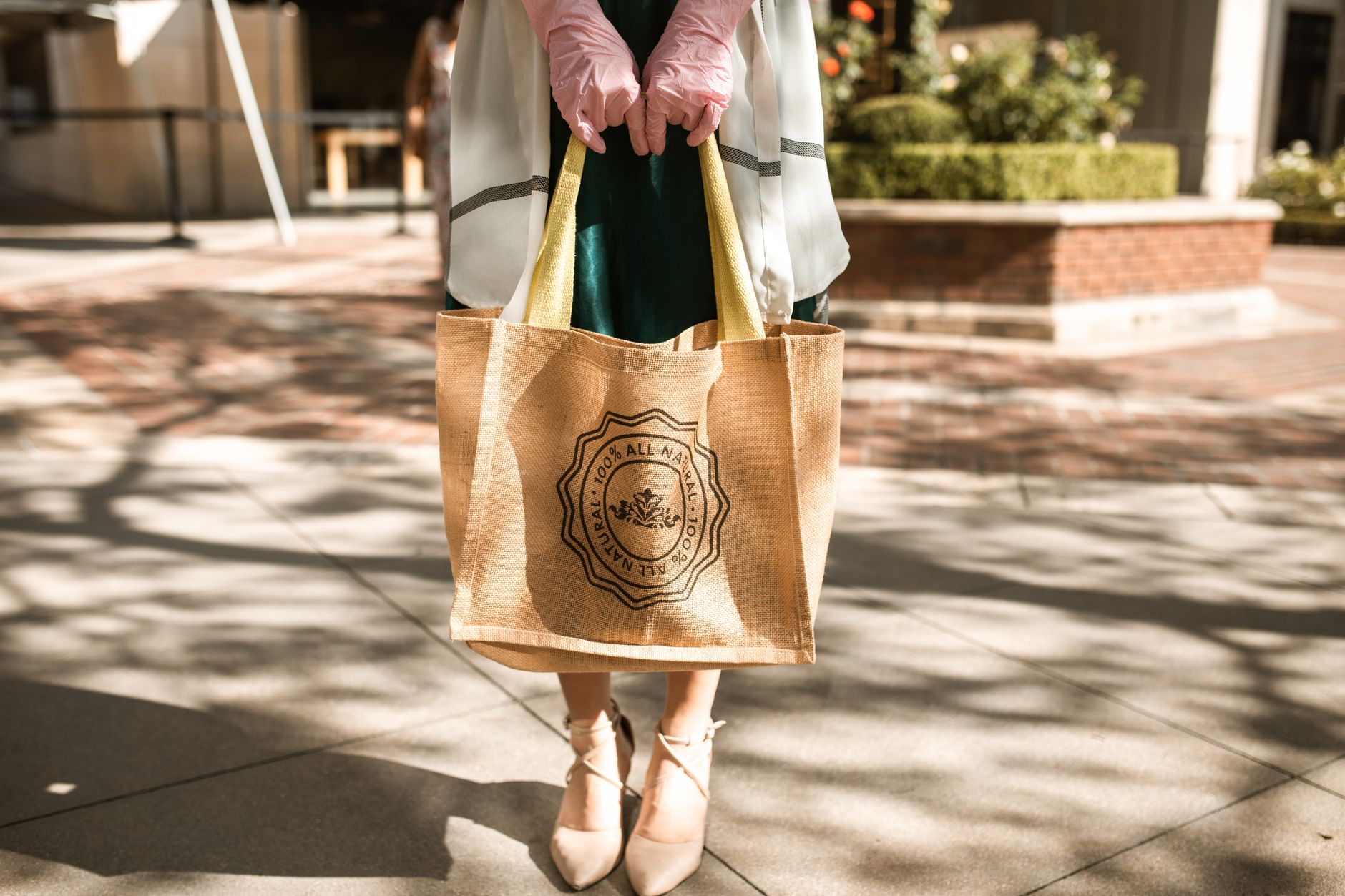
Choosing the right promotional product for your organisation can feel overwhelming — there are hundreds of options out there, and the pressure to pick something genuinely useful is real. But if there’s one item that continues to deliver exceptional brand visibility, everyday utility, and a strong sustainability message, it’s the reusable bag personalised with your logo. Whether you’re running a corporate event in Melbourne, launching a new product in Sydney, or sourcing end-of-year gifts for your Perth office, a branded reusable bag ticks every box. In this guide, we’ll walk you through everything you need to know — from choosing the right style and material to understanding decoration methods, minimum order quantities, and how to get the best return on your investment.
Why a Personalised Reusable Bag Is One of the Smartest Branded Items You Can Order
Let’s start with the basics: why bags? The answer is simple — people use them constantly. A reusable bag personalised with your brand can end up on public transport in Brisbane, at the local farmers’ market in Adelaide, or stuffed into a gym locker in Canberra. Every single time it’s used in public, your logo gets seen by new eyes. That’s passive, ongoing brand exposure at a remarkably low cost per impression.
Beyond visibility, reusable bags speak directly to consumer values in 2026. Australians are increasingly conscious of single-use plastics and environmental impact. When your organisation hands out a quality reusable bag, you’re not just promoting your brand — you’re aligning it with sustainability values that resonate deeply with customers, clients, and community members alike. That alignment matters enormously for brand perception.
From a practical standpoint, branded bags are also incredibly versatile. They suit almost every industry, event type, and audience. Corporate clients, school families, charity supporters, conference delegates — virtually everyone can use a reusable bag. And because they’re a functional, everyday item, they don’t end up in the bin the way some novelty products do.
For a broader look at what makes a promotional product truly effective, take a look at our overview of promotional products that deliver real brand value — it provides a great foundation before you dive deeper into specific categories like bags.
Understanding the Different Styles of Personalised Reusable Bags
Not all reusable bags are created equal, and selecting the right style is crucial to achieving your goal. Here’s a breakdown of the most popular types used by Australian organisations.
Non-Woven Polypropylene Bags
These are the workhorses of the promotional bag world. Lightweight, durable, and produced at a low cost, non-woven PP bags are ideal for high-volume orders. If you’re a Gold Coast event planner distributing bags to 500 conference delegates, non-woven bags are likely your best friend. They typically have a MOQ of around 100 units and can be decorated via screen printing or heat transfer.
Cotton Tote Bags
Natural cotton totes have become a staple promotional product, particularly for organisations that want to reinforce an eco-conscious brand image. They come in various weights — typically 130gsm to 280gsm — with heavier cotton being more durable and premium-feeling. Screen printing works exceptionally well on cotton totes, producing vivid, bold logos that last wash after wash.
Canvas and Jute Bags
Canvas and jute options sit at the premium end of the reusable bag market. They have a natural, artisan feel that suits lifestyle brands, boutique retailers, real estate agencies, and health-focused organisations. Jute in particular is 100% biodegradable, making it a compelling choice for organisations with strong environmental commitments.
Cooler Bags and Insulated Totes
If your brand operates in the food, beverage, or health sector, personalised cooler bags offer incredible perceived value. Recipients actively want them, use them regularly, and the decoration space is generous. A Darwin or Queensland-based business handing out branded insulated totes at a summer event will find recipients genuinely thrilled with the gift. Pair them with custom branded stubby holders for a complete alfresco-ready gift set.
Drawstring and Backpack-Style Bags
Lightweight drawstring bags are popular with sporting clubs, schools, and gyms. They’re particularly effective as giveaway items at fun runs, sports carnivals, and fitness events. For audiences in sport and fitness spaces, combining drawstring bags with custom sportswear clothing creates a cohesive branded pack that people genuinely use.
Decoration Methods for a Reusable Bag Personalised with Your Logo
Getting the decoration right is just as important as selecting the right bag style. The method you choose affects the look, durability, and cost of your finished product.
Screen Printing
Screen printing is the most common decoration method for reusable bags and for good reason. It produces sharp, vibrant results at scale, making it cost-effective for larger orders. It works best with flat, bold logo designs using a limited number of colours. Each colour requires a separate screen, so highly detailed, multi-colour logos can push costs up. PMS colour matching is available, ensuring your brand colours are reproduced accurately every time.
Heat Transfer and Digital Printing
For full-colour, photographic, or gradient designs, digital printing or heat transfer is often the better option. These methods allow for far more design complexity without the colour limitations of screen printing. Sublimation printing — where ink is fused into the fabric fibres — is also available on certain polyester bag materials, delivering vivid, permanent results.
Embroidery
Embroidery on a reusable bag can look incredibly premium, particularly on thicker canvas or jute styles. It adds a tactile, high-quality finish that positions your brand as sophisticated and considered. It’s typically reserved for smaller logo applications rather than full-front designs. If you’re already familiar with embroidery on corporate apparel — say, polo shirts for your company team — you’ll appreciate the same elevated look it brings to bag decoration.
Budgeting and MOQs: What to Expect When Ordering
Budget is always a key consideration when ordering branded merchandise, and reusable bags offer a wide range of price points to suit different requirements.
As a general guide:
- Non-woven PP bags: From approximately $1.50–$4.00 per unit at quantities of 100–500+
- Cotton tote bags: From approximately $3.00–$8.00 per unit depending on weight and decoration
- Canvas or jute bags: From approximately $5.00–$12.00 per unit
- Insulated cooler bags: From approximately $8.00–$20.00 per unit
Most suppliers will offer tiered pricing, meaning the cost per unit drops as your order quantity increases. If your budget is tight, a non-woven bag with a single-colour screen print will deliver solid results. If you want to create a lasting impression — perhaps for a VIP client gift or a premium conference bag — investing in a heavier cotton tote with a detailed print or a jute bag with embroidery is well worth the extra spend.
Setup fees (also called screen fees or origination fees) are a common additional cost when ordering screen-printed bags. These typically range from $40–$80 per colour and are a one-off charge. Understanding all the components of a quote is covered thoroughly in our guide to working with merchandise companies in Australia.
Don’t forget to factor in turnaround times, particularly if you have a hard deadline. Standard production typically runs 10–15 business days after artwork approval, while express options may be available for an additional charge. Always allow buffer time, especially around peak periods like end of year, the Easter long weekend, and mid-year conference season.
Artwork and Branding Considerations
Getting your artwork ready before you place your order can save significant time and frustration. Suppliers generally require vector files (AI, EPS, or PDF) for screen printing, ensuring your logo can be scaled to any size without quality loss. Raster files like JPGs or PNGs are often acceptable for digital printing but must be high resolution — at least 300dpi at print size.
If you’re ordering for the first time and unsure about artwork, a good supplier will guide you through their requirements. Many offer free artwork assistance or basic artwork tweaks as part of their service.
Think carefully about decoration placement. On a standard tote bag, the front panel is the most popular placement for maximum visibility. Some organisations add a secondary logo or URL to the back or inside the bag — a subtle but effective touch. Ensure your logo is sized appropriately for the bag dimensions: a logo that looks great on a business card can appear tiny and lost on a large reusable bag if not scaled up correctly.
For a broader understanding of what makes branded items work harder for your organisation, our resource on how to raise brand awareness with promotional products is well worth a read before you finalise your order.
Personalised Reusable Bags Across Different Sectors
One of the reasons the reusable bag personalised with your branding is so universally popular is that it translates seamlessly across industries.
- Corporate businesses use them as client gifts, new-employee welcome packs, or trade show giveaways alongside items like custom power banks and branded water bottles.
- Schools and universities hand them out at orientation days, school fairs, and graduation events, often packed with stationery and branded merchandise.
- Sporting clubs use lightweight drawstring bags to distribute jerseys, equipment, and club communications to new members — a great complement to custom sports clothing.
- Government and councils use branded eco-bags as part of sustainability campaigns, waste reduction initiatives, and community events.
- Charities and not-for-profits often use tote bags as donor gifts or fundraising items — an effective and affordable way to give something meaningful back to supporters.
For Sydney-based organisations specifically, our guide to Sydney promotional products covers supplier logistics, timelines, and product options particularly relevant to NSW events and businesses.
Making the Most of Your Branded Bag Investment
A personalised bag works hardest when it’s genuinely useful and well-made. Here are a few additional tips to maximise your return:
- Pair your bag with complementary products. A branded bag filled with useful items — a stainless steel water bottle, a notebook, a pen — creates a gift pack with far greater perceived value than any single item alone.
- Consider seasonal relevance. A heavy-duty insulated bag makes more sense as a summer event giveaway in Queensland than in a Hobart winter. Matching product to context improves reception.
- Use it as a packaging solution. Rather than sending corporate gifts in plain boxes, use a personalised reusable bag as the packaging itself. The bag becomes part of the gift, doubling your brand impression.
- Order samples before committing to large quantities. Most suppliers offer pre-production samples or stock samples so you can assess quality before placing a bulk order.
You can also explore how reusable bags fit into a broader promotional merchandise strategy to ensure they work cohesively with your other branded items.
Conclusion: Key Takeaways for Ordering Your Personalised Reusable Bag
A reusable bag personalised with your brand is one of the most versatile, practical, and cost-effective promotional products available to Australian organisations in 2026. Whether you’re a small Brisbane charity or a national corporation running a major conference, there’s a bag style, decoration method, and price point to suit your needs. Here are the key points to take away:
- Choose the right style for your audience — non-woven bags for high-volume events, cotton or jute for premium branding, cooler bags for lifestyle and food sectors.
- Understand decoration methods — screen printing for bold, simple logos; digital or sublimation for complex designs; embroidery for a premium, tactile finish.
- Plan your artwork early — vector files are the gold standard, and getting them ready before you approach a supplier saves time and avoids delays.
- Budget holistically — include setup fees, any express charges, and delivery in your total cost per unit calculation.
- Think beyond the single item — pairing a personalised reusable bag with complementary branded products significantly increases overall perceived value and brand impact.
For more expert guidance on sourcing the right promotional materials for your Australian organisation, explore the full range of resources available across our site.