
Eco Friendly Clothes for Branded Merchandise: The Complete Australian Guide
Discover how Australian businesses can choose eco friendly clothes for branded merch — from fabric types to decoration methods and ordering tips.

Written by
Astrid Bergman
Eco & Sustainable Products
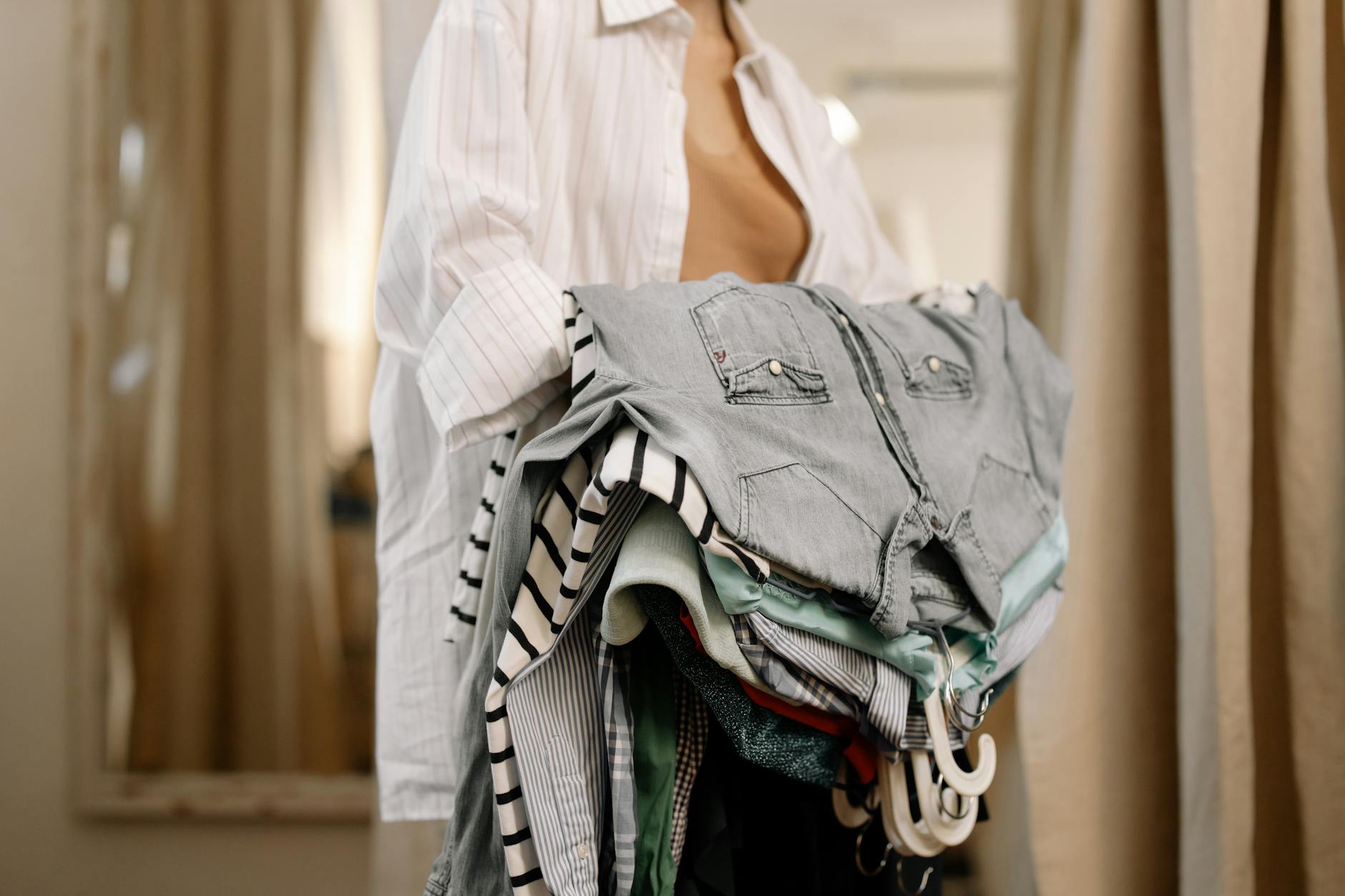
Choosing eco friendly clothes for your branded merchandise isn’t just a feel-good decision — it’s a smart business move that resonates deeply with today’s conscious Australian consumers. Whether you’re a Sydney tech startup kitting out your team, a Melbourne council sourcing uniforms for community events, or a Brisbane charity preparing for a fundraising run, the fabrics and manufacturing practices behind your custom apparel matter more than ever. Sustainability is no longer a niche concern; it’s a genuine purchasing driver that influences how people perceive your organisation. And the good news? The range of eco friendly clothing options available for custom branding has expanded enormously, making it easier — and more affordable — than ever to align your merchandise with your values.
Why Eco Friendly Clothes Matter for Branded Merchandise
The conversation around sustainable fashion has shifted dramatically in recent years. Australians are increasingly aware of the environmental footprint of the clothing industry, from water consumption in cotton farming to synthetic microplastics entering waterways. When organisations order branded apparel in bulk, those choices are amplified significantly.
For businesses and organisations ordering custom clothing, the decisions you make about fabric, dye processes, and manufacturing standards have a real impact. More importantly, they send a clear signal to your customers, staff, and community about your values. A reusable, sustainably made piece of branded apparel is far more likely to be worn repeatedly — which means longer-lasting brand exposure and better return on investment.
It’s worth understanding how consumer behaviour around promotional products has evolved, because recipients genuinely do notice when organisations make the effort to choose eco friendly options. A well-made organic cotton tee or a recycled polyester hoodie communicates pride in your brand and care for the planet in every single wear.
The Environmental Cost of Conventional Apparel
Conventional apparel production relies heavily on synthetic fibres like virgin polyester (derived from petroleum), conventionally grown cotton (which is one of the most water-intensive crops in the world), and chemical-heavy dyeing processes. When multiplied across bulk orders of hundreds or thousands of garments, the cumulative impact is significant.
Eco friendly alternatives address these concerns through certified organic fibres, recycled materials, low-impact dyes, and ethical manufacturing standards. Understanding these differences helps you make more informed choices when briefing your promotional products company on your next apparel order.
Key Eco Friendly Fabric Options for Custom Branded Apparel
Not all sustainable fabrics are equal, and the right choice for your organisation will depend on your budget, the garment style, and how the items will be used. Here’s a breakdown of the most common eco friendly fabric options available through Australian branded merchandise suppliers.
Organic Cotton
Organic cotton is grown without synthetic pesticides or fertilisers, using significantly less water than conventional cotton farming. For branded t-shirts, polos, and tote bags, organic cotton delivers a soft, premium feel that recipients genuinely appreciate. Look for products carrying GOTS (Global Organic Textile Standard) certification — this independently verifies the entire supply chain from fibre to finished garment.
If your organisation is looking at ordering slim fit t-shirts or classic crew-neck styles for staff uniforms or event merchandise, organic cotton options are widely available and generally only carry a small price premium over conventional alternatives.
Recycled Polyester (rPET)
Recycled polyester — often labelled rPET — is manufactured from post-consumer plastic waste, most commonly PET plastic bottles. It uses significantly less energy to produce than virgin polyester and diverts plastic waste from landfill and oceans. rPET is commonly used in performance wear, activewear, fleece jackets, and outerwear.
This material is particularly well-suited to organisations in the outdoor, sports, or adventure space. If your brand is looking at sustainable outerwear, check out our detailed look at recycled PET branded jackets for outdoor eco brands, which covers everything from fabric specs to decoration options.
Bamboo
Bamboo fabric is derived from bamboo pulp and offers a naturally soft, breathable finish with antimicrobial properties. Bamboo grows rapidly without pesticides and requires minimal water, making it one of the more renewable fibre sources available. Bamboo blends are popular for premium t-shirts, activewear, and workwear where comfort is a priority.
Hemp
Hemp is one of the most sustainable natural fibres available, requiring minimal water and no pesticides to grow. Hemp fabric is durable, breathable, and improves with washing over time. While less common in standard branded apparel ranges, hemp options are increasingly available for organisations seeking a truly sustainable option with strong storytelling appeal.
Tencel and Modal
Tencel (lyocell) and Modal are cellulose-based fibres produced in closed-loop manufacturing processes that recycle water and solvents. They’re often used in premium basics and are prized for their softness and drape. These fibres are particularly well-suited to fitted or fashion-forward styles.
Eco Friendly Decoration Methods to Consider
Choosing a sustainable fabric is only part of the equation. The decoration method — how your logo and branding are applied — also has environmental implications.
Water-Based Screen Printing
Traditional screen printing inks contain PVC and phthalates. Water-based alternatives are far less harmful, producing vibrant prints without the environmental nasties. Water-based screen printing is ideal for large runs of t-shirts, hoodies, and tote bags where bold, flat colour designs are used.
Embroidery
Embroidery has no chemical component — it’s literally thread stitched into fabric. For polos, caps, and workwear, embroidery is an excellent choice that adds texture and longevity to your branding without introducing harmful substances. It’s worth noting that embroidery typically adds a small weight of thread to garments, but the durability often means the item lasts longer and is therefore more sustainable in the long run.
Laser Engraving
For accessories and items with leather or wooden elements, laser engraving eliminates the need for inks or dyes entirely. This is particularly relevant for custom caps and accessories rather than soft goods, but it’s a valuable option to consider for complementary branded items.
Avoiding Plastisol Inks
If sustainability is a genuine priority for your organisation, it’s worth specifically requesting water-based or discharge inks when briefing your supplier on screen-printed garments. This small specification can make a meaningful difference.
Ordering Eco Friendly Clothes in Australia: Practical Tips
Getting eco friendly branded apparel right requires a little extra planning compared to a standard bulk order. Here are the practical considerations Australian organisations need to keep in mind.
Minimum Order Quantities
Eco friendly garments often carry slightly higher MOQs than entry-level conventional options, particularly for specialised fabrics like hemp or Tencel. However, organic cotton basics and rPET fleece are now mainstream enough that MOQs are often comparable to standard ranges — typically starting from 12 to 25 units for decorated items. Always confirm MOQs with your supplier early in the planning process.
Budget Considerations
Sustainable fabrics generally carry a price premium, but this gap has narrowed considerably as demand has grown. Organic cotton t-shirts, for example, might cost 15–30% more than conventional equivalents at the same quality tier. For organisations with sustainability commitments or reporting obligations, this premium is well justified. Frame it as an investment in brand quality rather than an added cost.
Certifications to Look For
When evaluating eco friendly garment options, look for independently verified certifications including:
- GOTS (Global Organic Textile Standard) — for organic natural fibres
- OEKO-TEX Standard 100 — tests for harmful substances in all components
- Bluesign — covers responsible resource use in textile manufacturing
- Fair Trade — verifies ethical labour standards
Turnaround Times
Eco friendly apparel from certified manufacturers sometimes has longer lead times, particularly for styles sourced from offshore ethical factories. Build an extra one to two weeks into your timeline for sustainable garment orders, especially for larger quantities or custom colour requests.
Pairing Eco Apparel with Sustainable Accessories
Eco friendly clothing works best as part of a broader sustainable merchandise strategy. Consider pairing custom organic cotton tees with reusable coffee cups, promotional tote bags, or promotional notebooks made from recycled or sustainable materials. This creates a cohesive eco-friendly merchandise bundle that tells a consistent sustainability story — particularly effective for conferences, onboarding kits, and event giveaways.
For event organisers planning expos or trade shows, sustainable apparel worn by your team pairs well with pull-up banners made from recyclable substrates to round out your sustainable brand presence.
Sectors Best Suited to Eco Friendly Branded Clothing
While any organisation can benefit from eco friendly branded apparel, certain sectors have found it particularly aligned with their values and audience expectations.
Charities and not-for-profits benefit enormously from the storytelling power of sustainable garments. Fundraising event tees made from organic cotton connect powerfully with donors who care about your cause and the planet.
Universities and schools — particularly those with sustainability committees or environmental programs — are increasingly specifying eco friendly garment options for event and promotional merchandise. A Gold Coast school ordering sports day shirts in organic cotton makes a statement to families and the wider community.
Corporate businesses with ESG (Environmental, Social and Governance) commitments are finding that branded sustainable apparel serves a dual purpose: it meets reporting obligations while also building internal culture around shared values.
Outdoor and adventure brands are a natural fit for rPET fleece and performance fabrics. If your business operates in the outdoor or eco-tourism space, sustainable apparel is expected by your audience. For broader branded merchandise inspiration across your business type, take a look at how to build a promotional product business around sustainability-forward merchandise.
For a broader look at seasonal eco-friendly gifting ideas that complement your sustainable apparel strategy, explore our guide to summer branded gifts for customers.
Conclusion: Making the Switch to Eco Friendly Clothes in Your Branded Merch
Transitioning to eco friendly clothes for your branded merchandise doesn’t need to be complicated or prohibitively expensive. The options available to Australian organisations in 2026 are diverse, accessible, and increasingly cost-competitive. Whether you’re ordering a run of organic cotton t-shirts for your next community event or specifying rPET jackets for your field team, every sustainable choice contributes to a stronger brand story and a healthier planet.
Key takeaways:
- Choose certified fabrics — look for GOTS, OEKO-TEX, or Bluesign certifications to verify sustainability claims from your garment supplier
- Match the fabric to the use case — organic cotton suits basics and event tees, while rPET is ideal for activewear and outerwear
- Consider your decoration method — pair eco fabrics with water-based inks or embroidery to reduce chemical impact across the entire garment
- Build extra lead time — sustainable garment options can have longer production timelines, so plan your order well in advance
- Tell the story — include a hangtag, packaging note, or social post that explains your sustainable choices; this amplifies the value of the investment far beyond the garment itself