
Eco-Friendly Apparel in Brisbane: A Complete Guide for Organisations and Event Planners
Discover how Brisbane organisations can source eco-friendly apparel, from sustainable fabrics to decoration methods, with practical tips on ordering and budgeting.

Written by
Astrid Bergman
Eco & Sustainable Products
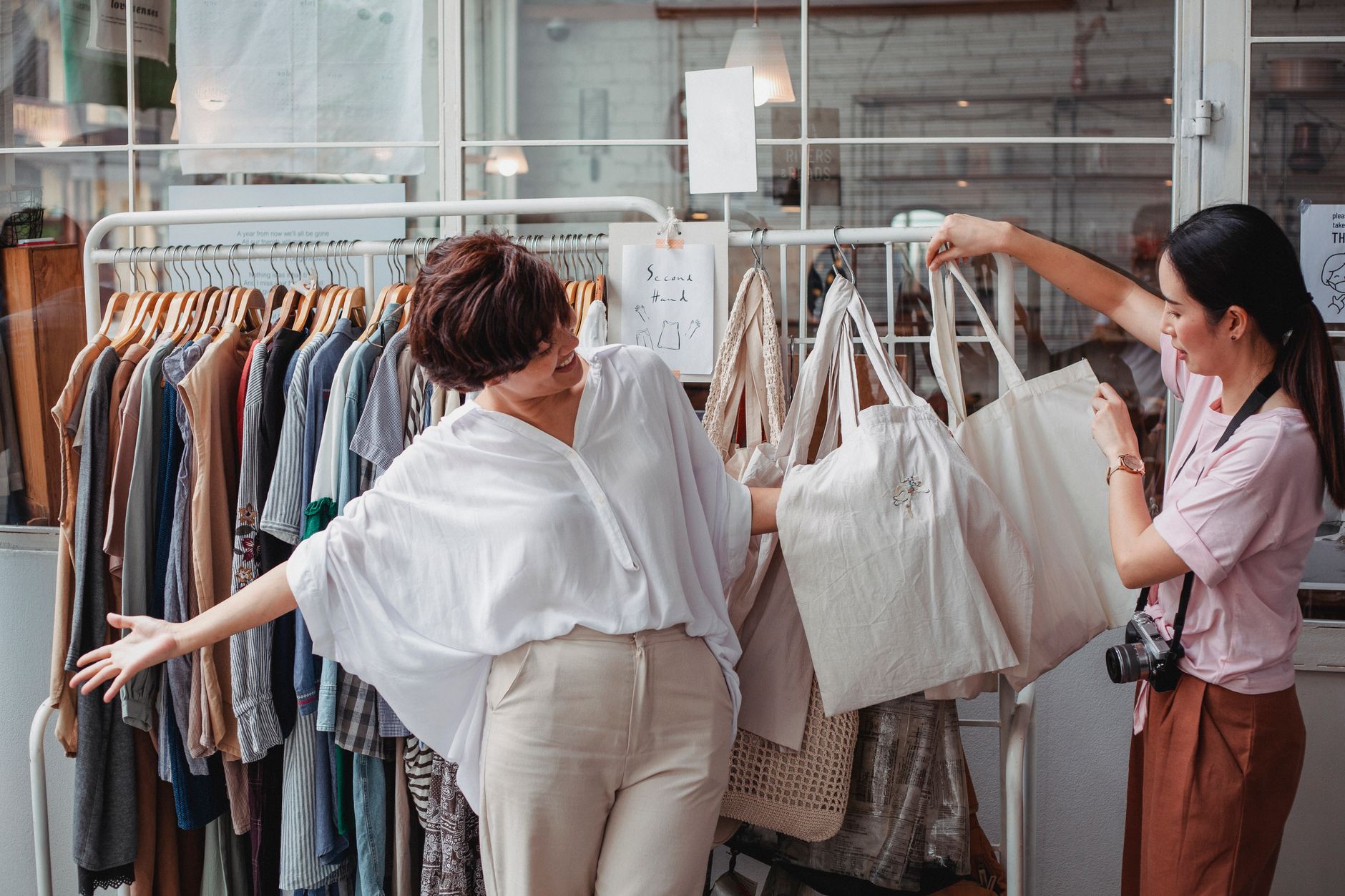
Sustainability is no longer a trend — it’s a baseline expectation. If you’re an organisation, business, or event planner based in Queensland, sourcing eco-friendly apparel in Brisbane has become one of the most strategic decisions you can make when it comes to branded merchandise. Whether you’re kitting out your team in organic cotton polos, ordering custom tees for a community event, or planning staff uniforms with a reduced environmental footprint, the options available today are more impressive — and more accessible — than ever before. This guide breaks down everything you need to know to make informed, sustainable choices for your next apparel order.
Why Eco-Friendly Apparel Matters More Than Ever in Brisbane
Brisbane’s subtropical climate, its vibrant outdoor culture, and the growing environmental consciousness of Queensland consumers all create the perfect conditions for sustainable apparel to thrive. Organisations across South East Queensland — from Fortitude Valley startups to Gold Coast tourism operators — are actively rethinking their branded merchandise strategies. The shift isn’t just ethical; it makes strong business sense.
Research consistently shows that consumers respond positively to brands that demonstrate genuine environmental responsibility. For corporate organisations, this translates directly to brand perception. For events, it means attendees are more likely to keep and wear branded apparel that they feel good about — which extends your logo’s reach far beyond the event itself.
Beyond optics, Brisbane businesses are also responding to supply chain transparency pressures. Clients, investors, and even government procurement guidelines are increasingly requiring organisations to demonstrate sustainability credentials. Eco-friendly branded apparel is a visible, tangible way to walk the talk.
The Shift in Branded Merchandise Expectations
Across Australia, the corporate gifting market trends continue to point firmly in one direction: sustainability is now a key purchasing driver. Organisations that previously defaulted to the cheapest bulk t-shirt are reconsidering — not just because of environmental values, but because of the longer-term value proposition of quality, ethically-made garments.
Understanding Sustainable Fabric Options
Not all eco-friendly claims are equal. When sourcing sustainable apparel, it’s important to understand what you’re actually buying. Here’s a breakdown of the most common sustainable fabric types used in promotional and branded clothing.
Organic Cotton
Organic cotton is grown without synthetic pesticides or fertilisers, requiring significantly less water than conventional cotton. It’s soft, breathable, and ideal for Brisbane’s warm climate. Look for certifications such as GOTS (Global Organic Textile Standard) or OCS (Organic Content Standard) when evaluating suppliers. Organic cotton is particularly well-suited to:
- Event t-shirts and casual polos
- Staff uniforms for retail and hospitality
- School and community group apparel
Recycled PET (rPET) Fabrics
Recycled PET fabric is made from post-consumer plastic bottles — an innovative solution that diverts waste from landfill. It’s commonly used in activewear, jackets, and fleece garments. If your organisation is looking at outerwear, recycled PET branded jackets are an excellent option, particularly for outdoor-focused brands or organisations running winter campaigns.
Bamboo Blends
Bamboo fabric is naturally antibacterial, moisture-wicking, and incredibly soft — making it a favourite for wellness-focused and health sector organisations. It grows rapidly without pesticides, making it one of the more sustainable raw materials available. Bamboo-blend t-shirts and polos are a growing category in the Australian branded apparel market.
Hemp and Linen Blends
Less common but increasingly available, hemp requires minimal water and no pesticides to grow. Hemp-blend apparel tends to be more durable than cotton and softens over time. It suits casual, lifestyle-oriented branding — think tourism operators, outdoor event organisers, and eco-conscious retail brands.
Choosing the Right Decoration Method for Sustainable Apparel
Fabric choice is only part of the equation. The decoration method you use also has environmental implications. Here’s what to consider when printing or embroidering your eco-friendly garments.
Water-Based Screen Printing
Traditional screen printing uses plastisol inks that contain PVC and other chemicals. Water-based screen printing is the more sustainable alternative — it produces vibrant results, is softer to the touch, and generates far less chemical waste. It’s ideal for large flat areas of colour and works particularly well on organic cotton garments.
Embroidery
Embroidery uses thread rather than ink, which means no chemical runoff and a highly durable result. It’s a natural fit for premium eco-friendly polos, caps, and corporate shirts — wherever a professional, textured finish is desired. For Brisbane businesses ordering custom hoodies in sustainable fabrics, embroidery on the chest or sleeve is a sophisticated and environmentally-sound choice.
Heat Transfer and DTG (Direct-to-Garment)
Digital printing methods like DTG can be combined with water-based inks for a lower-impact result. However, they work best on lighter-coloured garments and may require pre-treatment chemicals — so always ask your supplier about the specific products used.
Sublimation
Sublimation is another popular method for full-colour designs, particularly on polyester-based garments. When applied to recycled polyester fabrics, it can be a reasonable sustainable option — though the dyes used should still be evaluated for environmental impact.
Practical Ordering Tips for Brisbane Organisations
Understanding the logistics of ordering eco-friendly apparel is just as important as choosing the right product. Here are some practical considerations to keep in mind.
Minimum Order Quantities (MOQs)
Sustainable apparel often comes with slightly higher MOQs than conventional alternatives due to the specialised manufacturing processes involved. Typical MOQs for eco-friendly branded t-shirts in Australia range from 20 to 50 units, though some suppliers will accommodate smaller runs with digital decoration methods. If your event or organisation needs fewer than 20 units, DTG printing on organic cotton garments is often the most accessible option.
Lead Times and Turnaround
Allow more time when ordering sustainable apparel — particularly if your garments are being sourced from certified ethical manufacturers overseas. Standard lead times for eco-friendly branded apparel in Australia typically range from 10 to 21 business days once artwork is approved. For events with hard deadlines, build in buffer time and confirm availability of your preferred fabric and colour before committing to a design.
Budgeting Realistically
Sustainable apparel does generally cost more than conventional alternatives — that’s the honest truth. Organic cotton t-shirts, for example, may cost 20–40% more per unit than standard options at the same MOQ. However, the quality differential is often noticeable, and the per-wear cost — especially for staff uniforms or durable event gear — frequently justifies the investment.
For event planners considering giveaway items, it’s also worth thinking holistically. Rather than ordering a large volume of cheap, disposable items, a smaller run of high-quality eco apparel alongside thoughtfully selected event swag creates a more memorable and values-aligned brand experience.
Artwork and Colour Matching
Eco-friendly fabrics can behave differently during the decoration process. Organic cotton, for instance, has natural variations in texture that can affect print results. Always request a pre-production sample before approving a large run. If PMS colour matching is important to your brand, confirm this with your supplier upfront — some water-based inks have a narrower colour gamut than plastisol alternatives.
Eco-Friendly Apparel Across Different Brisbane Sectors
It’s worth noting that sustainable apparel looks different depending on who’s wearing it. Here’s a snapshot of how different sectors across Brisbane and Queensland are using eco-friendly branded clothing.
Corporate Businesses
Brisbane CBD companies are ordering organic cotton polos and sustainable dress shirts for office staff — particularly those in sustainability-focused industries like renewable energy, environmental consulting, and green architecture. These pair well with other eco-conscious branded items like reusable coffee cups and branded wellness journals.
Events and Conferences
Conference organisers in Brisbane are increasingly moving away from fast-fashion branded merchandise. Sustainable t-shirts and tote bags made from organic or recycled materials are now a staple at major Queensland events. When planning your next conference merchandise suite, consider how your apparel choices complement other summer branded gifts for customers and giveaway items.
Schools and Community Organisations
From Ipswich primary schools ordering organic cotton sports day shirts to community groups in the Sunshine Coast running environmental campaigns, eco-friendly apparel is becoming a natural fit for education and not-for-profit sectors. Budgets are typically tighter here, so it’s worth planning well in advance and consolidating orders to hit better pricing tiers.
Tourism and Outdoor Operators
Queensland’s tourism sector — from the Great Barrier Reef to the Daintree — is well-placed to align branded merchandise with environmental values. Tourism operators who want to explore sustainable apparel alongside broader eco merchandise strategies will find our guide to custom branded merchandise for tourism operators a useful starting point.
Complementing Your Eco-Friendly Apparel Order
Sustainable apparel is most powerful when it’s part of a broader, cohesive branded merchandise strategy. Consider pairing your eco garments with:
- Recycled or bamboo notebooks for corporate gifting
- Reusable drinkware — custom reusable coffee cups are consistently one of the most popular eco-branded items in Australia
- Organic cotton or jute tote bags
- Branded aprons made from sustainable materials for hospitality or promotional gifting contexts
A well-rounded eco-merchandise kit tells a consistent story — and that consistency is what builds genuine brand trust.
Conclusion: Key Takeaways for Sourcing Eco-Friendly Apparel in Brisbane
Eco-friendly apparel in Brisbane is more than a feel-good choice — it’s a strategic investment in your brand’s future. Whether you’re a corporate team building a sustainable uniform programme, an event planner sourcing merchandise for your next Queensland conference, or a community organisation looking to align your merch with your values, the options are there and the demand is real.
Here are the key takeaways to keep in mind:
- Choose certified sustainable fabrics — look for GOTS, OCS, or Fair Trade certifications to ensure your eco claims are verifiable
- Match your decoration method to your sustainability goals — water-based screen printing and embroidery are the most environmentally responsible options for most apparel
- Budget realistically — eco-friendly apparel costs more upfront, but the quality and brand alignment typically deliver better long-term value
- Plan ahead — longer lead times are common with sustainable apparel, so build buffer time into your project timeline
- Think holistically — pair your eco apparel with other sustainable branded products for a cohesive, values-driven merchandise strategy that resonates with your audience
With the right planning and the right supplier partner, eco-friendly branded apparel can become one of your organisation’s most powerful and purposeful branding tools in 2026 and beyond.