
The Complete Guide to Corporate Clothing Wear for Australian Businesses in 2026
Discover how to choose, order, and manage corporate clothing wear for your Australian business. Expert tips on styles, decoration, and budgeting.

Written by
Darcy Flynn
Custom Apparel
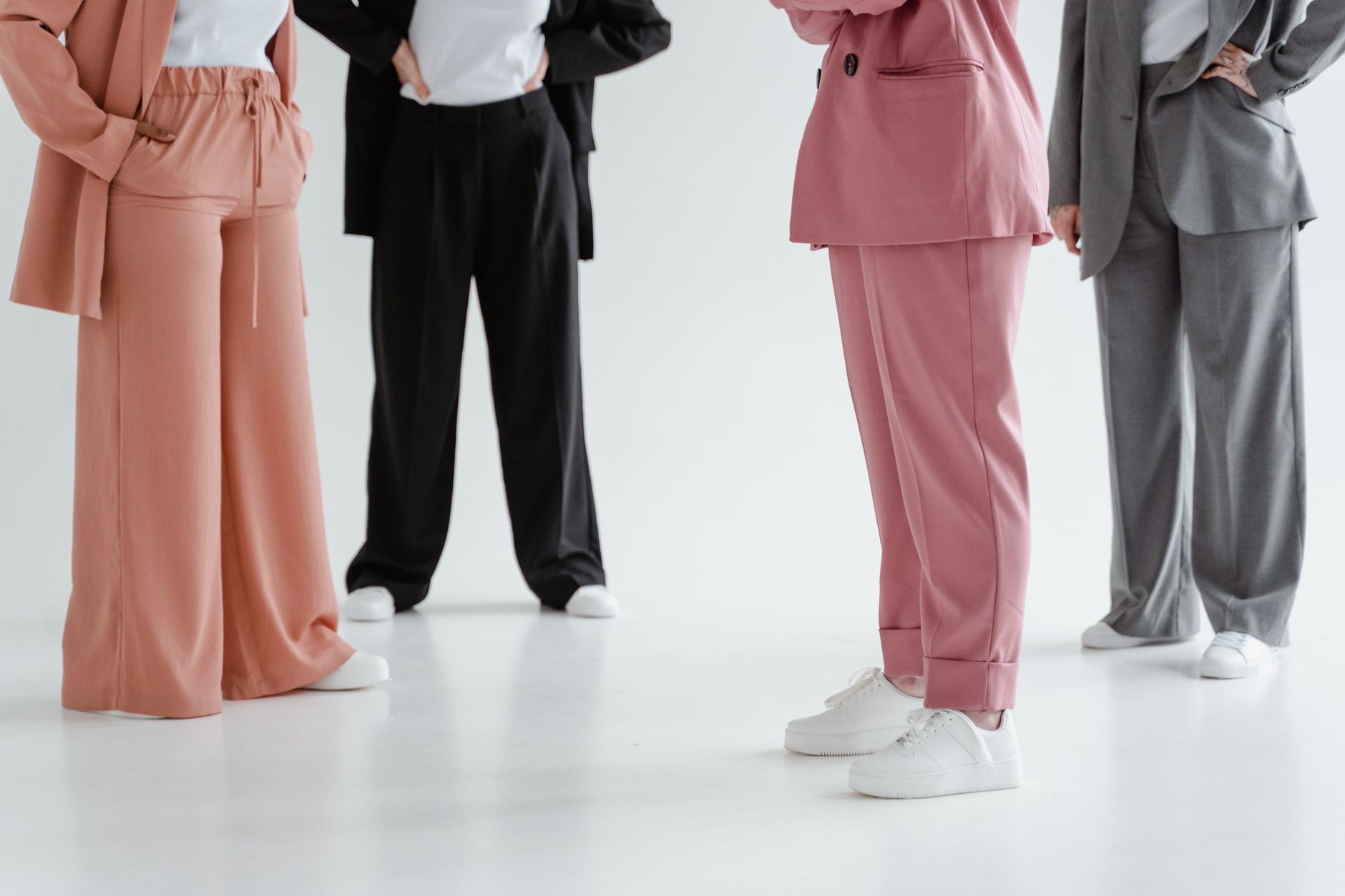
Corporate clothing wear is one of the most powerful branding investments an Australian business can make. Whether you’re outfitting a team of five in a boutique Sydney consultancy or managing uniforms for hundreds of staff across a Melbourne retail chain, the right branded apparel does far more than simply cover your employees. It communicates your values, builds team cohesion, and turns every staff member into a walking advertisement for your brand. Yet despite its importance, many organisations approach corporate clothing without a clear strategy — leading to wasted budgets, inconsistent presentation, and garments that end up gathering dust in a storeroom. This guide will walk you through everything you need to know to get it right.
Why Corporate Clothing Wear Matters More Than Ever
In 2026, professional presentation has become a genuine competitive differentiator. Customers, clients, and partners form impressions quickly — and a team dressed in cohesive, well-branded apparel signals professionalism, reliability, and attention to detail. The effect is particularly pronounced in client-facing industries like hospitality, retail, real estate, healthcare, and financial services.
Beyond external perception, branded corporate clothing also plays a meaningful internal role. Research consistently shows that uniforms and team apparel help employees feel connected to a shared purpose. When a Brisbane property management firm issues embroidered polo shirts to every team member, those staff members feel part of something cohesive. That sense of belonging matters for retention, morale, and customer service quality.
There’s also a practical legal dimension worth noting. In certain industries — particularly construction, healthcare, and food service — appropriate workwear isn’t just smart branding. It’s a compliance requirement. Understanding how branded uniforms intersect with workplace health and safety obligations is important for any WHS manager or operations leader sourcing corporate clothing.
Understanding the Key Product Categories
Before you start placing orders, it’s worth mapping out the different garment categories available and which scenarios each suits best.
Polo Shirts and Business Shirts
Polo shirts remain the backbone of corporate clothing wear in Australia. They strike the ideal balance between professional appearance and everyday comfort — which matters enormously in warmer states like Queensland and Western Australia. Look for options in breathable polyester-cotton blends or moisture-wicking fabrics for teams working in warm environments.
Embroidery is the most popular decoration method for polo shirts, delivering a clean, premium finish that holds up through repeated washing. Screen printing is an excellent alternative for larger logo designs or when multiple colours are involved. For a more formal corporate setting, branded business shirts — either long-sleeved or short-sleeved — offer a sharper look suitable for client meetings and trade events.
T-Shirts
Custom t-shirts are among the most versatile items in corporate clothing. They suit everything from event merchandise and tradesperson workwear to staff uniforms in casual retail and hospitality environments. Screen printing is typically the go-to decoration method for t-shirts, especially at higher quantities, offering vibrant colour reproduction at competitive per-unit pricing.
If your organisation is planning a major event or conference — think a Gold Coast industry expo or an Adelaide team-building day — branded t-shirts are a cost-effective way to create team unity and distribute wearable brand impressions beyond the event itself. Check out our guide to custom event t-shirts for conferences and expos for more detail on event-specific apparel planning.
Corporate Hoodies and Jackets
As the weather cools across southern states like Victoria and Tasmania, hoodies and corporate jackets become essential. Embroidered hoodies are particularly popular with tech companies, creative agencies, and universities. Softshell jackets and fleece zip-ups work well for trades, council field teams, and outdoor operations. These items also make excellent corporate gifts — a well-made branded hoodie is something employees genuinely appreciate and wear outside of work, extending your brand’s reach significantly.
For those working across multiple seasons or geographic regions, building a layering system into your corporate wardrobe — t-shirt, polo, and jacket — ensures your team looks cohesive year-round. Our article on choosing the right corporate jackets for your team covers fabric weights, fit options, and decoration methods in more detail.
Caps and Headwear
Branded caps are a practical addition to any outdoor-focused corporate clothing range. They’re particularly common in construction, agriculture, landscaping, and events. Structured caps with embroidered logos project a clean, professional look, while unstructured 5-panel styles suit more casual brand identities. Minimum order quantities for caps typically start around 12–24 units, making them accessible even for small teams.
Hi-Vis and Safety Workwear
For businesses operating in construction, utilities, logistics, or emergency services, hi-vis workwear must comply with Australian Standard AS/NZS 4602.1. Branded hi-vis shirts, vests, and jackets can carry your logo while meeting compliance requirements. It’s worth reading our overview of branded hi-vis and safety workwear compliance in Australia before placing orders to ensure your garments tick both the branding and safety boxes.
Choosing the Right Decoration Method
The decoration method you choose will significantly affect the look, longevity, and cost of your corporate clothing. Here’s a quick overview of the most common options:
- Embroidery — Best for polo shirts, jackets, caps, and premium items. Delivers a sophisticated, long-lasting finish. Involves a one-off digitising setup fee (typically $50–$100), then a per-piece cost based on stitch count.
- Screen printing — Ideal for t-shirts and high-volume orders. Cost-effective at larger quantities due to setup costs per colour being spread across the run. Produces vibrant, durable results.
- Heat transfer / DTG (direct-to-garment) — Suitable for small runs, complex photographic artwork, or full-colour designs where screen printing setup costs aren’t viable.
- Sublimation — Works on polyester garments, allowing all-over prints with no colour limitations. Popular for sportswear and event tees.
Understanding these options will help you brief your supplier more confidently and avoid costly mismatches between artwork and method. For a thorough comparison, read our guide to screen printing vs embroidery for corporate apparel.
Planning Your Corporate Clothing Order: Practical Tips
Establish Your Budget Early
Corporate clothing costs vary enormously depending on garment quality, quantity, and decoration complexity. A basic screen-printed t-shirt might cost $12–$25 per unit at moderate quantities, while an embroidered softshell jacket could sit anywhere between $50 and $120. Setup fees, freight, and GST all add to the final invoice.
A useful rule of thumb: the higher the quantity, the lower the per-unit cost. If your budget is tight, consolidating orders across departments or ordering seasonal quantities in advance can unlock better pricing tiers. Our article on how to budget for a bulk branded apparel order breaks down cost structures in detail.
Get Your Artwork Ready
Poor artwork is one of the most common causes of delays and disappointment in corporate clothing projects. Your logo should ideally be supplied as a vector file (.ai or .eps format) with fonts outlined. If you only have a raster file (JPEG or PNG), check with your supplier about minimum resolution requirements — typically 300 DPI at print size.
PMS colour matching is important for maintaining brand consistency. If your organisation has a strict brand style guide, share it with your apparel supplier early and confirm they can match your exact colour codes.
Plan for Sizing Inclusivity
A well-run corporate clothing programme caters to the full range of body types in your team. Most quality garment suppliers offer sizing from XS through to 5XL, and many stock women’s-specific cuts separately from unisex sizing. Collecting size data from staff before ordering — rather than guessing — avoids both waste and disgruntled team members whose shirts don’t fit properly.
Factor in Turnaround Times
Standard turnaround for custom corporate apparel in Australia typically ranges from 10 to 20 business days from artwork approval. Rush orders may be available but usually attract a premium. If you’re ordering for a specific event, new employee start date, or seasonal push, build in buffer time. For time-sensitive corporate clothing projects, see our tips on rush orders and fast turnaround branded apparel.
Managing Ongoing Corporate Clothing Programmes
Many larger organisations — Perth mining companies, Canberra government departments, Darwin-based community organisations — need an ongoing corporate clothing supply solution rather than a one-off order. In these cases, it’s worth working with a supplier who can hold stock, manage reorders, and support an online ordering portal for individual staff members.
Setting up a style guide or uniform policy document is also helpful, particularly for franchises, multi-site businesses, or organisations with high staff turnover. This document should specify approved garment styles, colours, decoration positions, and approved suppliers — ensuring consistency whether you’re onboarding a new team member in Hobart or Cairns.
For organisations exploring sustainable options, there’s growing demand for organic cotton, recycled polyester, and ethically certified garments in corporate wardrobe programmes. Learn more in our guide to eco-friendly corporate apparel options in Australia.
Additionally, if you’re building a full merch programme beyond just clothing, our overview of corporate branded merchandise strategies will help you think holistically about how apparel fits into your wider brand presence. And if you’re sourcing branded items for a specific event or conference, our conference merchandise planning guide covers the full product mix from apparel to stationery and bags.
Other useful reads include our breakdown of embroidery setup fees and what to expect, choosing the right polo shirt fabric for Australian conditions, and how to write a merch brief for your supplier — all of which will help you order with confidence.
Conclusion: Key Takeaways for Corporate Clothing Wear
Getting your corporate clothing wear right is equal parts strategy, planning, and product knowledge. With the right approach, branded apparel becomes one of your most valuable and cost-effective marketing tools — building brand visibility, strengthening team culture, and projecting professionalism every day.
Here are the key points to take away:
- Match product to purpose — choose garment styles based on your work environment, climate, and the impression you want to make on clients and customers.
- Invest in quality decoration — embroidery for premium and long-lasting results; screen printing for high-volume runs and vibrant colour; heat transfer or sublimation for complex or small-run designs.
- Prepare your artwork properly — vector files, correct PMS colours, and a clear brand style guide will prevent costly delays and inconsistencies.
- Plan for sizing and quantity — collect size data from staff, order with buffer for growth, and explore bulk pricing tiers to manage costs.
- Think long-term — for ongoing programmes, consider stock-holding arrangements, online ordering portals, and a formal uniform policy to ensure consistent presentation across your entire organisation.