
Embroidered Patches Iron On: The Complete Guide for Australian Organisations
Discover how iron-on embroidered patches work, when to use them, and how Australian businesses and organisations can order custom patches.

Written by
Rani Gupta
Branding & Customisation
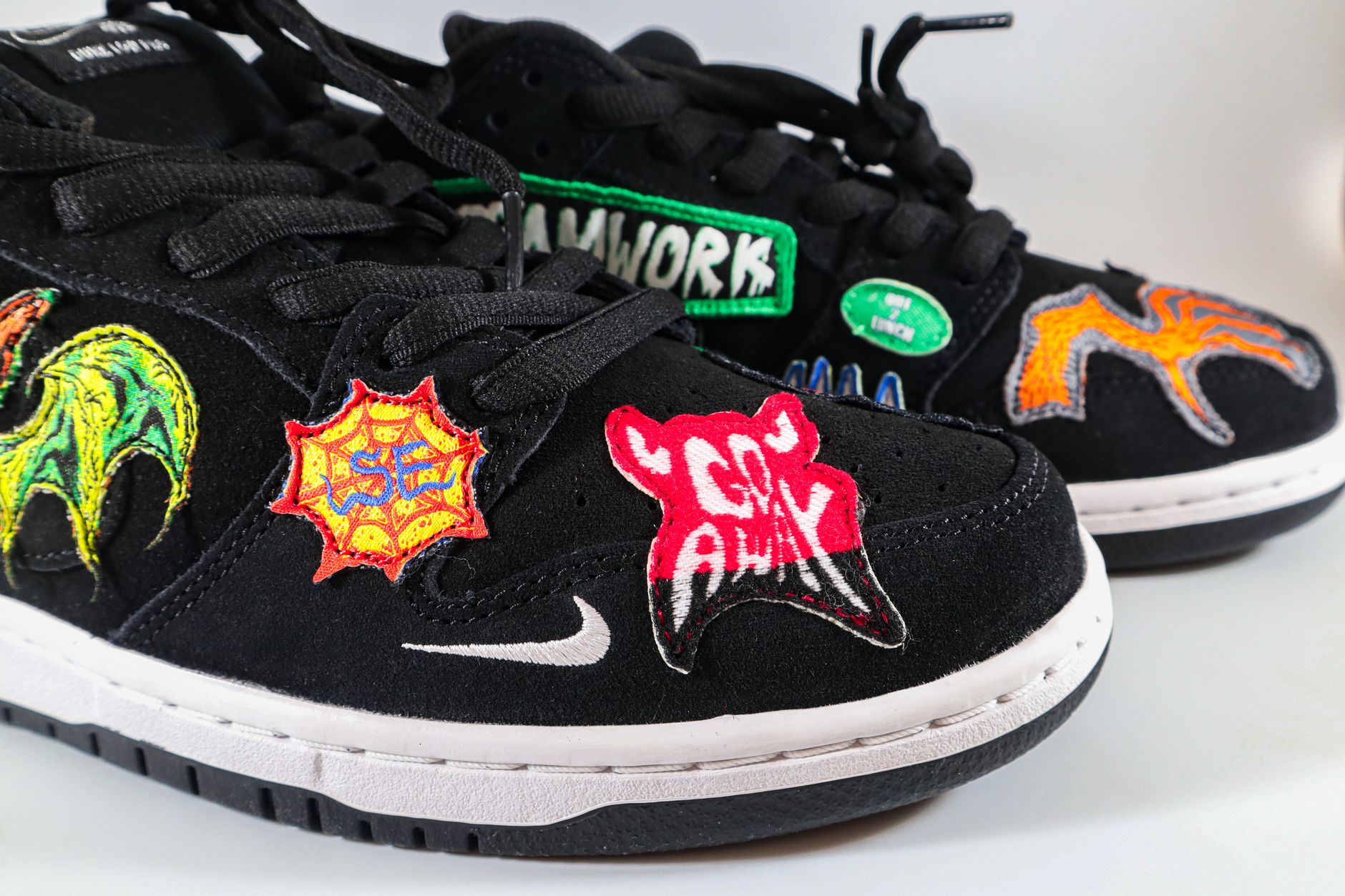
Embroidered patches have been a staple of branded apparel for decades, but the rise of iron-on backing has made them more accessible than ever for Australian organisations looking for flexible, cost-effective branding solutions. Whether you’re outfitting a Brisbane football club, adding branding to a school’s uniform range, or creating merchandise for a Sydney corporate event, embroidered patches with iron-on backing offer a remarkable combination of durability, visual impact, and versatility. This guide walks you through everything you need to know — from how they’re made and when to use them, to ordering in bulk and getting the best results for your budget.
What Are Embroidered Patches Iron On and How Do They Work?
At their core, embroidered patches are small pieces of fabric — typically twill, felt, or polyester — decorated using embroidery thread stitched into a design. The result is a textured, premium-looking logo or artwork that stands out far more than a simple printed graphic.
The “iron-on” part refers to the heat-activated adhesive bonded to the back of the patch during manufacturing. When heat and pressure are applied using a household iron or a commercial heat press, this adhesive melts and fuses the patch permanently to the garment. It’s a clean, efficient process that requires no sewing skills, which is one reason iron-on embroidered patches have become so popular for schools, clubs, and businesses across Australia.
The Embroidery Process Explained
The patches themselves are produced using commercial embroidery machines that stitch thread across a backing fabric. The design is digitised — converted into a stitch file that tells the machine exactly how to recreate your logo or artwork in thread. This digitisation step is crucial and is one of the setup costs you’ll typically encounter when ordering custom patches.
Once stitched, a merrow border (the distinctive rolled edge you see on most patches) is applied around the perimeter to prevent fraying and give the patch a finished, professional look. The iron-on adhesive is then applied to the back, and the patches are cut to shape. Common shapes include circles, shields, rectangles, and custom die-cut outlines that follow the shape of the design itself.
Iron-On vs Sew-On Patches: Which Should You Choose?
Iron-on patches are the go-to choice when you need a quick, clean application without specialist equipment. They’re ideal for:
- Uniform additions where bulk sewing isn’t feasible
- DIY merchandise kits where individuals apply patches themselves
- Promotional giveaways and event merchandise
- Situations where patches may need to be repositioned or applied to different items
Sew-on patches, by contrast, are typically recommended when long-term durability on high-wear garments is the priority — think workwear or sporting kit that gets washed frequently at high temperatures. Many organisations opt for a hybrid approach: iron-on first to position the patch correctly, then reinforce with a simple stitch around the border for maximum longevity.
If you’re weighing up different decoration methods for your apparel, our guide to embroidery vs screen printing for custom apparel covers the key differences in more detail.
When Embroidered Patches Iron On Make Perfect Sense
One of the biggest advantages of iron-on embroidered patches is their versatility. Unlike direct embroidery or screen printing, patches can be applied to virtually any fabric surface — including items that would be difficult or impossible to decorate through conventional methods. This opens up a huge range of applications for Australian organisations.
Schools and Education
School uniform programmes across Victoria, Queensland, and New South Wales have long relied on embroidered patches for house colours, sports teams, achievement badges, and year group identifiers. Iron-on backing makes the application process straightforward for parents and school administrators alike. A Melbourne primary school, for example, might order 500 iron-on embroidered patches for an upcoming sports carnival — one per student — with each patch featuring the school crest and the relevant house colour.
Patches are also a cost-effective way to update existing uniforms when a school undergoes a rebrand, rather than replacing an entire uniform stock. Our complete guide to custom school merchandise explores more options for educational institutions.
Sporting Clubs and Associations
Sporting clubs are among the most enthusiastic users of custom embroidered patches. Gold Coast rugby clubs, Perth cycling groups, and Adelaide netball associations all use patches to celebrate milestones, mark team membership, and reward achievements. Iron-on patches can be applied to training jackets, caps, kit bags, and supporter merchandise — giving clubs a premium look without premium pricing.
For clubs managing tight budgets, patches also allow for a mix-and-match approach: buy a standard uniform range and add custom branding via patch, rather than ordering fully customised garments from scratch.
Corporate and Event Merchandise
Conferences, expos, and corporate events increasingly use embroidered patches as part of their merchandise strategy. A Canberra government department hosting a national conference might include branded iron-on patches in delegate bags alongside notebooks and lanyards — they’re lightweight, easy to pack, and memorable. Attendees can apply them to their own items, extending the brand’s reach far beyond the event itself.
For event merchandise ideas that complement patches well, take a look at our guide to conference and event merchandise essentials.
Workwear and Hi-Vis Applications
In industries where workwear branding is essential — construction, logistics, utilities — iron-on patches can be a practical solution for adding logos to hi-vis vests, jackets, and work shirts. However, it’s worth noting that for high-wear safety garments, sewing over the iron-on application is strongly recommended to ensure the patch doesn’t peel away over time. Our guide to branded hi-vis workwear covers the broader topic of decoration options for safety apparel.
Ordering Custom Embroidered Patches: What You Need to Know
Getting your order right from the outset will save you time, money, and frustration. Here’s what to keep in mind when sourcing iron-on embroidered patches for your Australian organisation.
Minimum Order Quantities
Most suppliers work with MOQs starting around 50–100 patches for basic designs. The economics of embroidered patches improve significantly at scale — the digitisation and setup fees are fixed costs spread across the total order, so the more you order, the lower your per-unit cost. For large organisations or annual orders, ordering in bulk and storing patches is often more cost-effective than placing frequent smaller orders.
Artwork and Digitisation Requirements
Your logo or artwork will need to be digitised before production can begin. This is typically a one-off setup fee — often ranging from $30 to $80 depending on the complexity of the design — and once it’s done, you can reorder without paying again. Vector files (AI, EPS, SVG) are preferred, though high-resolution PNG or JPEG files can often work for simpler designs.
A key consideration with embroidery is that very fine details and small text can be difficult to reproduce cleanly in thread. Your supplier’s artwork team should advise on any adjustments needed to optimise your design for the embroidery process. Our artwork preparation guide for custom merchandise is a useful reference before you get started.
Patch Size and Shape
Patches typically range from 50mm to 120mm in their largest dimension, with most corporate and club patches sitting in the 70–100mm range. Custom shapes are available but may attract a small additional cost for die-cutting. When sizing your patch, consider the garment it will be applied to — a patch intended for a polo chest needs to be proportioned differently to one designed for a cap or sleeve.
Colour Matching and Thread Selection
Embroidery thread is matched using Pantone or thread colour charts. If your brand has specific PMS colours, provide these to your supplier so they can match as closely as possible. It’s worth noting that thread colours don’t replicate PMS values with absolute precision — there’s inherent variation in how pigment colours translate to thread — so requesting a physical sample before full production is strongly advisable for critical brand colour applications.
For more on the colour accuracy expectations across different decoration methods, our guide to PMS colour matching for branded merchandise is worth reading.
Turnaround Times
Standard production for custom embroidered patches typically runs 2–4 weeks from artwork approval, depending on order volume and supplier capacity. Rush options may be available at a premium. Factor in additional time if you’re ordering samples first — which, for any significant order, is always recommended.
Applying Iron-On Embroidered Patches Correctly
Even the best patch can fail if it’s applied incorrectly. Here are the essential steps for a clean, lasting application:
- Pre-wash the garment before applying the patch to prevent future shrinkage that could cause the patch to lift
- Position carefully and use a pin or fabric tape to hold the patch in place before pressing
- Use a damp cloth between the iron and the patch to protect the embroidery
- Apply firm, even pressure for 30–45 seconds with the iron set to the appropriate temperature for the fabric
- Allow to cool completely before handling
- Check the edges — if any corners are lifting, apply additional heat and pressure
For garments that will be washed regularly, always reinforce iron-on patches with a basic stitch around the perimeter. This is particularly important for school uniforms, workwear, and sporting kit.
Conclusion: Key Takeaways for Australian Organisations
Embroidered patches iron on represent one of the most flexible and visually impressive branding tools available to Australian organisations. From school uniform updates to corporate event merchandise and club kit, they deliver a premium look at a manageable price point — especially when ordered in sensible quantities.
Here are the key points to keep in mind:
- Iron-on backing makes application easy, but reinforcing with a stitch is advisable for high-wash garments to maximise longevity
- Digitisation is a one-off setup cost — once your design is in the system, reordering is straightforward and more cost-effective
- MOQs typically start at 50–100 units, with significant cost savings at higher volumes
- Artwork quality and colour matching matter — provide vector files and PMS references where possible, and always request a sample before committing to full production
- Patches are incredibly versatile — they can be applied to apparel, bags, caps, and other items that might otherwise be difficult to decorate using standard methods
If you’re ready to explore custom embroidered patches for your business, school, club, or event, take the time to brief your supplier thoroughly and request a physical sample. The extra step upfront will ensure your finished patches look exactly as intended — and represent your brand with the quality it deserves.
For more guidance on apparel decoration and branded merchandise, explore our guide to choosing the right decoration method for custom apparel and our overview of custom caps and headwear options for Australian organisations.